At the Museum of Chinese Art and Ethnography, new artifacts for the exhibit “Fashion in the world.” From Sept. 20th 2020 to Aug. 29th 2021, the temporary exhibit at the museum of Parma is enriched with new pieces from its collection: from those donated to the Xaverian Missionaries, to the clothing they themselves wore in the various continents in which they worked.
With the end of the summer, the Museum of Chinese Art and Ethnography in Parma is ready to present new displays of the exhibit entitled “Fashion in the World – Mode nel Mondo: clothes tell the life of peoples.” The exhibit traces a journey through the traditions of the world, through clothing, ornaments and accessories; a real atlas of clothing that unfolds along the modern museum itinerary. From Sunday Sept. 20th to Aug. 29th 2021, visitors will be able to appreciate new artifacts from the museum collection that enrich the exhibition on clothing and accessories from the various continents. "Our journey around the world - underlines Chiara Allegri, vice-director of the Museum of Chinese Art and Ethnography -, through clothing and accessories of non-European peoples shows new pieces from the collection of our Museum. They represent gifts from the peoples where the Xaverians worked, and also local clothing used by the missionaries to bring the local populations together. This is why our museum preserves and conserves clothing from all the lands where the missionaries worked in various continents."
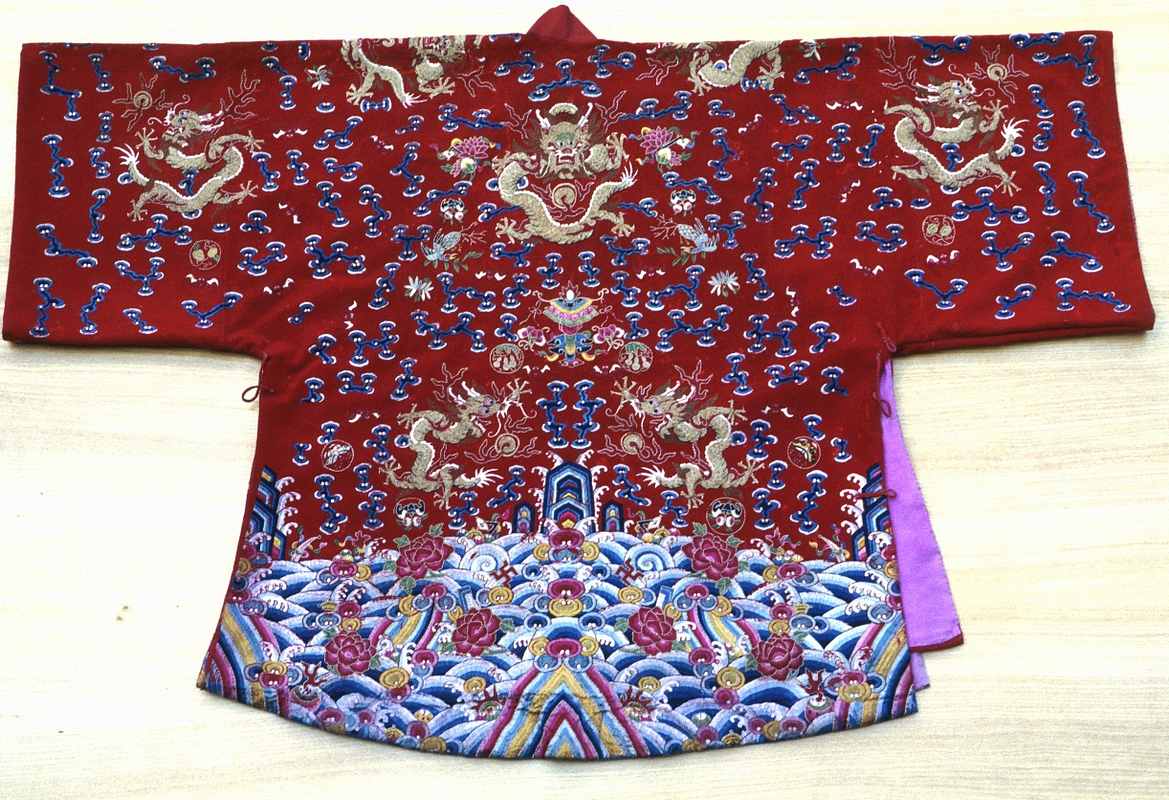
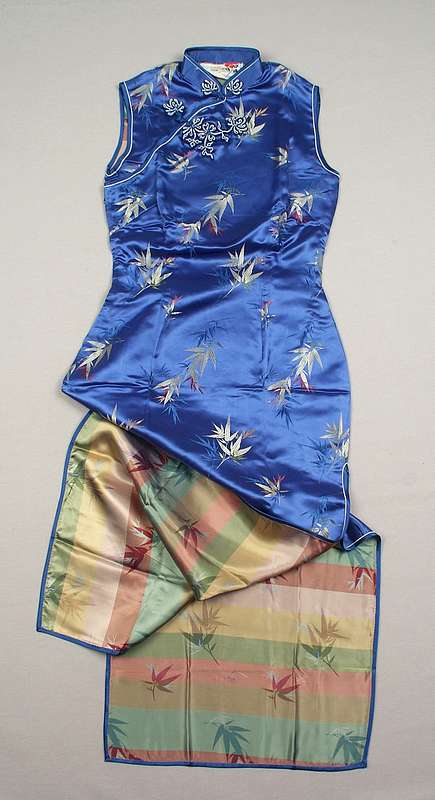
Admiring the rearrangement, supported also by Coop, from China we have a Longpao, a very elegant court dress, burgundy color, together with a long modern blue dress. Another novelty is the section dedicated to the clothing that the missionaries used in the early years in China: among them a Chang Pao suit and a headdress. From Sierra Leone a dress and a tunic with various accessories: from magical objects to a ritual billhook, passing through a curious snuffbox and a leather necklace. We’ll see women's shoes typical of the great empire, the shoes with hoof heels, as well as a wedding ornament: a tubular collar with a rectangular section whose upper face represents two dragons (a symbol of male fertility).
Indonesian fashion is also shown and again, from Japan, Haori jackets strictly made of silk, with the "mon" family crests, bamboo parasols and painted Japanese paper, female kimonos and Obi for married women; from Sudan, tribal skullcaps, shoes and slippers; from Ghana, ceremonial silk fabrics from the Ashant tribe; from Bangladesh the Burqa of Bengali Muslim women and jewelry sets; from Cameroon Kweyma Kjella necklaces and aluminum anklets decorated with a bird's head. On display a vast selection from the Democratic Republic of the Congo. Vast and misterious. The exhibition hosts traditional clothing elements of the Lega people, that make up the classic outfit, the emblem of belonging, of the initiatory "secret" society called "Bwami". The association is secret as regards to the rituals and teachings, and the violation of it entails death. Who belongs, however, is known to everyone, and indeed, letting people know that you are a member of society is an honor. There are male nkumbu and sawamazembe headdresses, the female muzombolos, decorated with feathers and buttons, headbands decorated with the coin-shells known as Cauri, vegetable fiber skirts, mukoma bandoliers, and diadems. The corner dedicated to the Amazonian populations is surprising: nothing is missing from the decorative accessories of the Kayapò people.
Clothing and ornaments make us peoples, who belong to a group, a social status, an ethnicity. Clothing is a real form of codified communication and easily interpretable on a social level. At the Museum of Chinese Art and Ethnography in Parma it will be possible to experience and discover many stories. To adorn the clothes on display will be the tailored busts in linen and mannequins of the Schläppi 4000 line made by Bonaveri, world leader in the creation of excellent mannequins.
Many of these artifacts have never been exhibited: for this reason we thought about rearranging the exhibit, in order to give space to various testimonies of fashion in the world.
The visit in this period requires masks to be worn at all times (those without it will be provided by the Museum) and a minimum distance of two meters (7 feet) between one visitor and another. Each room is equipped with dispensers for hand sanitization. Guided tours (in Italian, French and English) are possible for small groups of up to eight people previous reservation (€ 5 per person).
In addition, the museum offers a new tool: visitors can now undertake the visit of the collections, through the use of the app MuseOn. Easily downloadable on your device (Smartphone or tablet) once you arrive at the museum, it works without the use of Wi-Fi, and will allow you to live a personalized guided tour, including educational, audio and video screens, to facilitate the meeting between the visitor and the many cultures of the world that the Museum offers.
The Museum opening hours: from Tuesday to Saturday 9am-1pm and 3pm-7pm. Sundays 11am-1pm and 3pm-7pm. The entrance ticket is €3 which includes a visit to both the permanent collection and the temporary exhibition. For Coop members who present their card, reduced admission € 1.50.
Exhibit curated by: Father Alfredo Turco, Maurizio Salvarani, Chiara Allegri and Laura Ferrari.