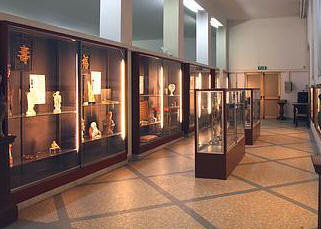
Ahyme Festival 2023

20 ottobre
CONCERT POSTPONED

Ahymé Festival al Museo d’Arte Cinese ed Etnografico di Parma

Concerto 21 ottobre con Jâca

20 ottobre, ore 21

Poesie in Musica dalla Terra degli Avi
Biglietto € 15
20 ottobre
CONCERTO POSTECIPATO

Ahyme Festival 2023 - 20 ottobre
20 ottobre
CONCERTO POSTECIPATO

Poesie in Musica dalla Terra degli Avi

Irma Kurti in dialogo con Chiara Allegri
Musiche di E-Wired Empathy

20 ottobre, ore 21

21 ottobre, ore 21

Dagli USA - Jâca, con Wesley Ferreira e Jaxon Williams
Biglietto € 15

Ahyme Festival 2023 - 21 ottobre

Poesie in Musica dalla Terra degli Avi

Dagli USA - Jâca
con Wesley Ferreira e Jaxon Williams

21 ottobre, ore 21

Prenotazioni e Prevendite

  • Biglietto € 15
  • Accedi alla Reception del nostro museo, con pagamenti in contanti e carte da credito, durante gli orari di apertura: da Martedì a Sabato: ore 9-13 e 15-19 - Domenica: ore 15-19
  • Oppure tramite Bonifico Bancario su conto intestato a:
    Fondazione Culturale Saveriana
    Partita IVA: 02907930347
    Emil Banca Credito Cooperativo Via Tanara 45 - 43121 Parma (PR)
    Iban: IT42Q0707212703000000418853
    Causale: Giorno dell'evento, nome e numero biglietti
    Per completare la prenotazione è necessario inviare distinta di pagamento a This email address is being protected from spambots. You need JavaScript enabled to view it.


Continua la serie di concerti al Museo

Incontrerai ...
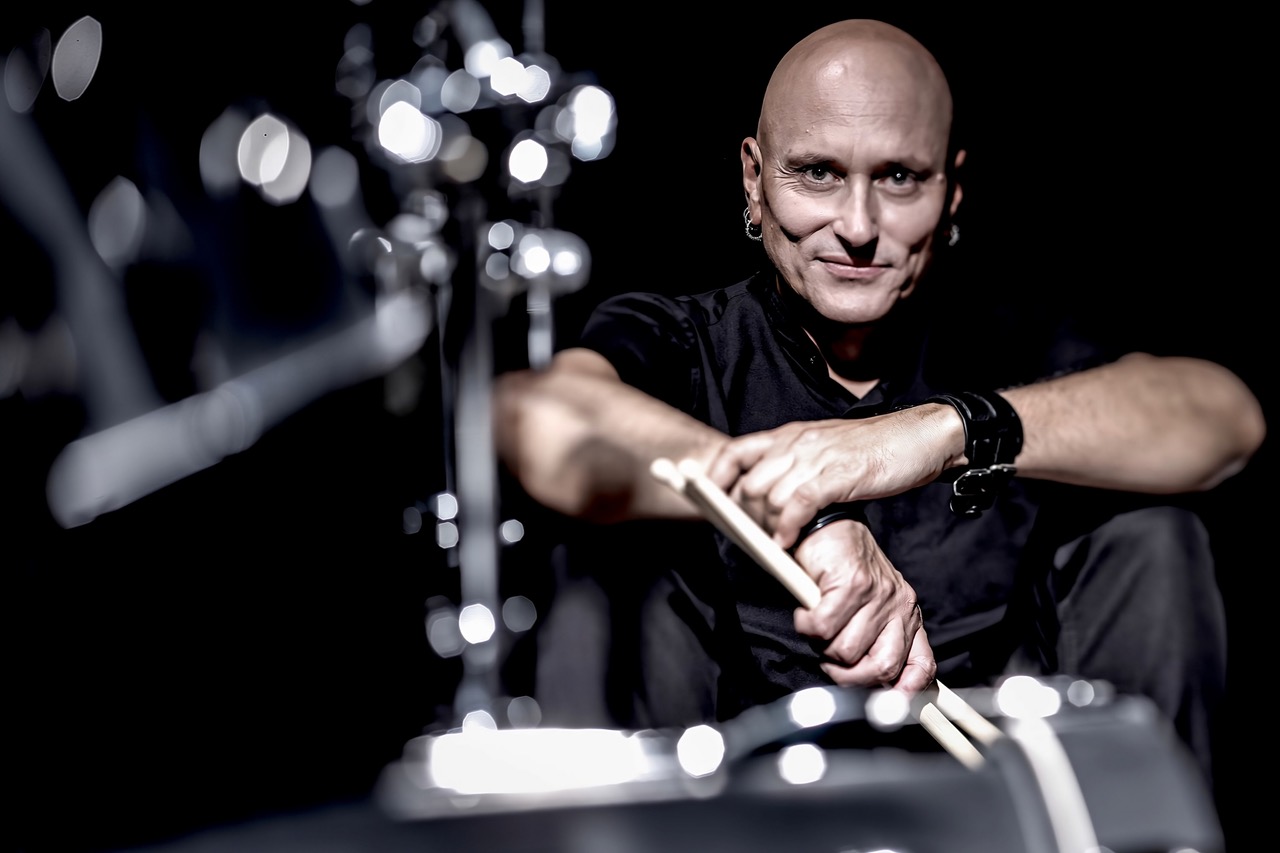
Roberto Gualdi - batteria
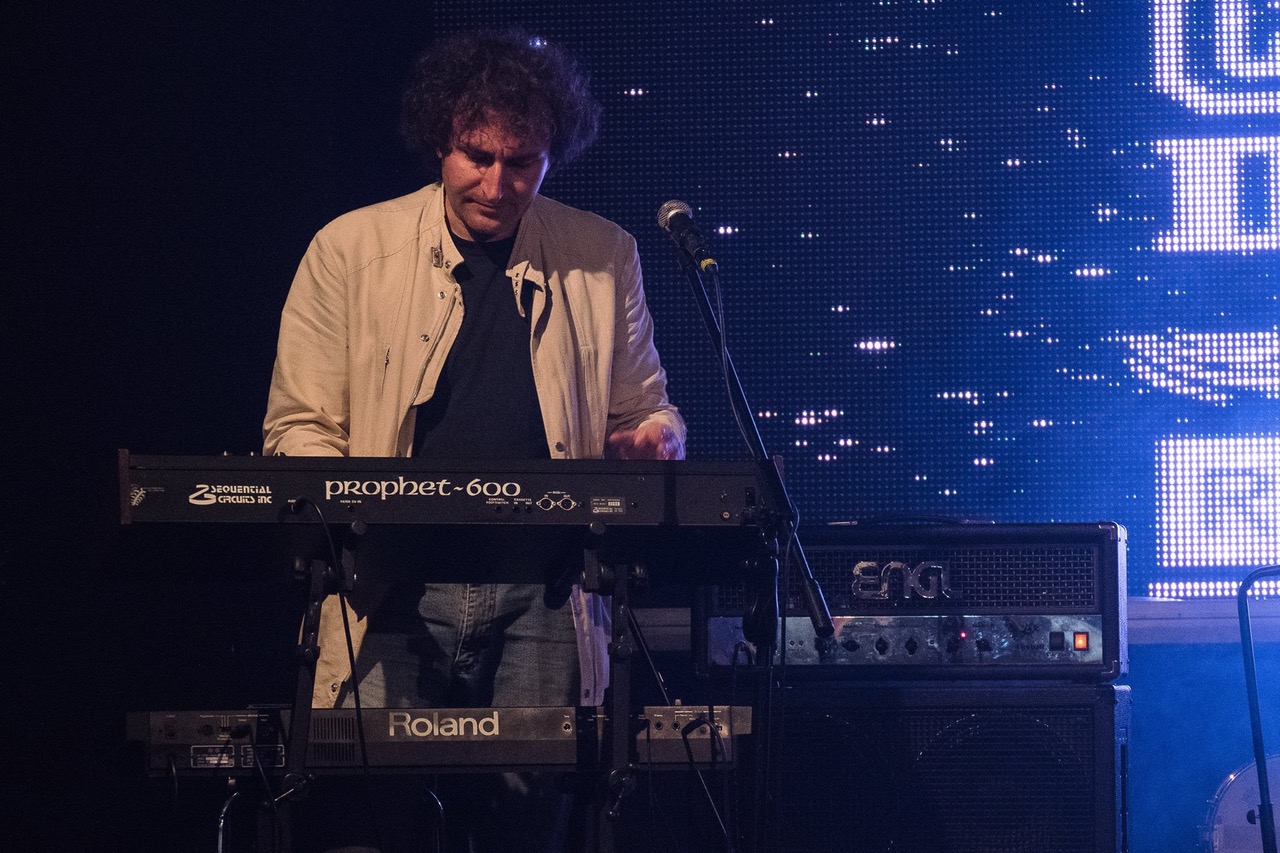
Giovanni Amighetti ai synth

Luca Nobis alla chitarra

Irma Kurti - autrice
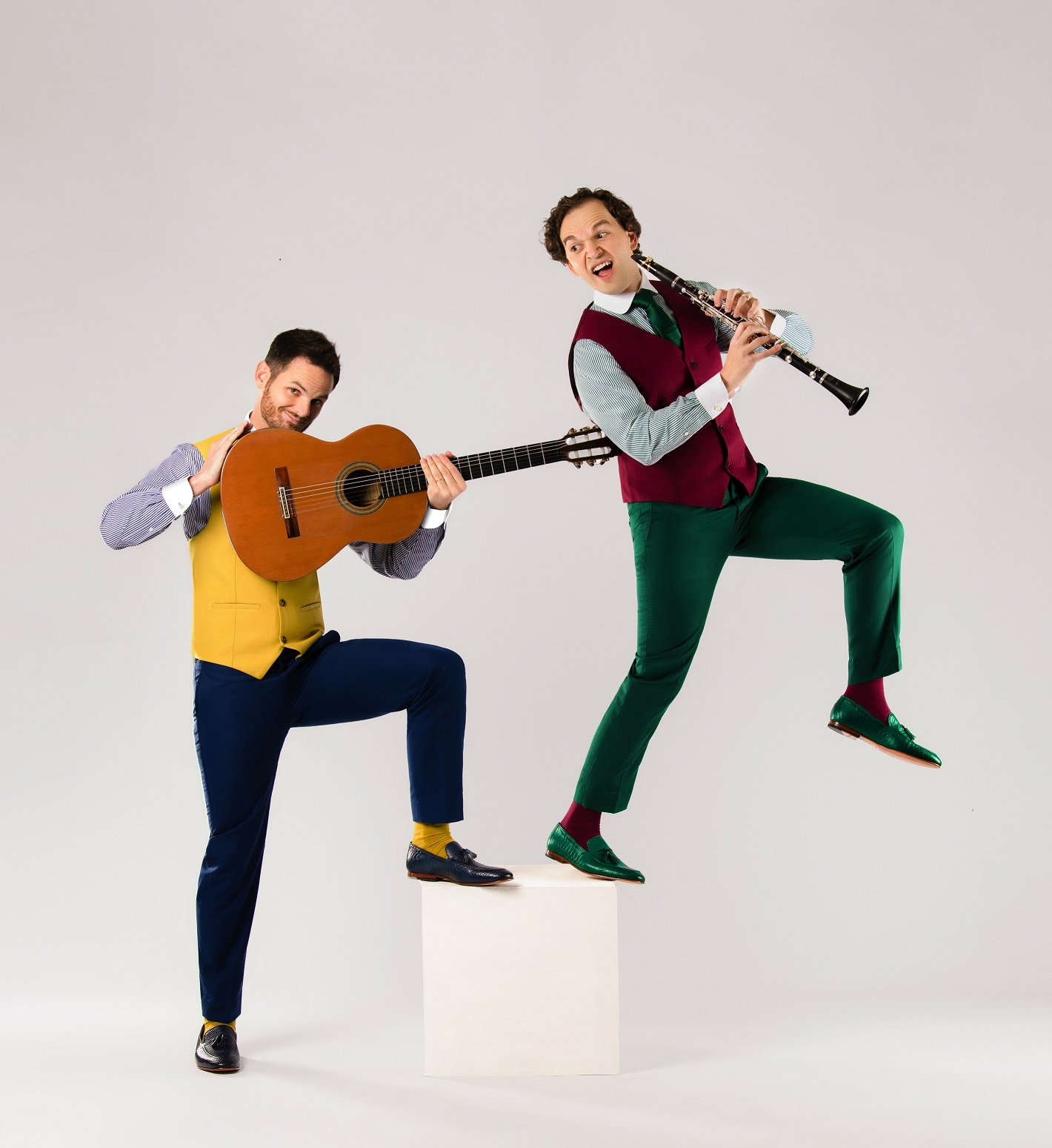
Jaca dagli USA

Sponsor Ahyme Festival 2023

20 ottobre
CONCERT POSTPONED

Concerto e Poesie del 20 ottobre: Irma Kurti e E-Wired Empathy

Un incontro speciale con una delle menti creative più brillanti e poliedriche del panorama culturale. Siamo onorati di presentare una serata indimenticabile con Irma Kurti dal vivo, insieme agli "E-Wired Empathy” ovvero Luca Nobis, Giovanni Amighetti e Roberto Gualdi e con l'introduzione speciale di Chiara Allegri.

Irma Kurti è una figura di spicco nell'ambito della poesia, della scrittura, del songwiritng, e del giornalismo. Originaria dell'Albania, Irma ha iniziato a scrivere fin da quando era una bambina, intraprendendo un percorso di esplorazione creativa che l'ha portata a conquistare numerosi riconoscimenti e ad avere un impatto significativo nella cultura albanese e oltre.

Irma Kurti è conosciuta al pubblico anche come autrice di testi di numerose canzoni di successo, che hanno partecipato a molteplici festival nazionali e internazionali e hanno contribuito a definire il panorama della musica leggera in Albania, Kosovo e Macedonia. Ha scritto circa 150 testi di canzoni per adulti e bambini, regalando al pubblico emozioni indimenticabili attraverso le sue parole.


E-Wired Empathy: Luca Nobis alla chitarra, Giovanni Amighetti ai synth analogici e il batterista Roberto Gualdi. Questo eccezionale collettivo musicale presenta i brani contenuti nel loro nuovissimo album omonimo, "E-Wired Empathy," pubblicato sotto l'etichetta Esagono Dischi / The Orchard.

Il cuore pulsante di questo album è il tema dell'empatia, che rappresenta la connessione tra l'uomo e la natura. E-Wired Empathy si propone di creare un linguaggio sonoro che superi ogni barriera geografica e culturale, oltrepassando confini e differenze. Nella musica, questo si traduce in un legame empatico che permette di creare spontaneamente, senza vincoli di parti predefinite, scale o armonie comuni.


Concerto del 21 ottobre: Jaca

Jâca è un duo di clarinetto e chitarra che mette insieme musica classica e world music per offrire un'esperienza avventurosa e stile musicale appassionato e completamente originale sul palco. La musica di Jâca riflette la versatilità degli strumenti, utilizzando la formazione classica occidentale come base da combinare con le loro diverse caratteristiche musicali e culturali eredità. Dal Flamenco al Fado, dagli Appalachi all'Argentina, dagli slide di chitarra alle sbavature di clarinetto, la musica di Jâca è davvero una fusione unica che non rientra in nessun singolo genere. Il duo dà nuova vita alla esperienza concertistica, ignorando le convenzioni e lasciando costantemente il pubblico in fermento. “A un concerto Jâca non sei solo uno spettatore: ti senti parte di esso".

Con sede a Fort Collins, CO, il clarinettista canadese Wesley Ferreira è un acclamato solista e musicista d'orchestra. Porta sempre con sé la sua positività contagiosa, il suo grande sorriso. La sua eredità portoghese e il suo interesse per la musica Fado hanno suscitato l'ispirazione portoghese di arrangiamenti coon una nuova musica per il duo. Oltre ad essere un classico pluripremiato il chitarrista Jaxon Williams, residente a Los Angeles, è un attivo interprete della chitarra flamenca spagnola; ha studiato con un Fulbright in Spagna, dove continua a vivere per una parte dell'anno.

Chiamaci

Eventi - Newsletter

This email address is being protected from spambots. You need JavaScript enabled to view it.

44.7886,10.3267

Museo d'Arte Cinese ed Etnografico

Museo d'Arte Cinese ed Etnografico, Parma-

Viale S. Martino, 8
43123 Parma, PR
Tel. 0521-257337
www.museocineseparma.org

Read More

Etnografico EN

Ethnographic Museum

A place that celebrates the meeting of cultures ..

Ethnographic Museum

Preview some artistic objects of the Exhibits

This surprising material shows the different ways of living and of thinking the world over, and teaches the ingenious and artistic qualities of human beings. We stand in awe in front of the great vitality, ingenuity and dynamism.

The Kayapò People

The Kayapò call themselves Mebêngôkre", which literally means “people who came from the water”. They live in the Amazonian forest (Xingu) in 17 villages. Kayapo villages are usually round, with the men’s house in the middle, which is the hub of village life.
The Kayapo give great importance to the various festivals during which they relive in ritual dance and joy, the wisdom of the ancestors and their birth as a people. They are famous for their body painting, feather art, and craft.
We believe it is a rich display of the artifacts of this people.

Collection Online

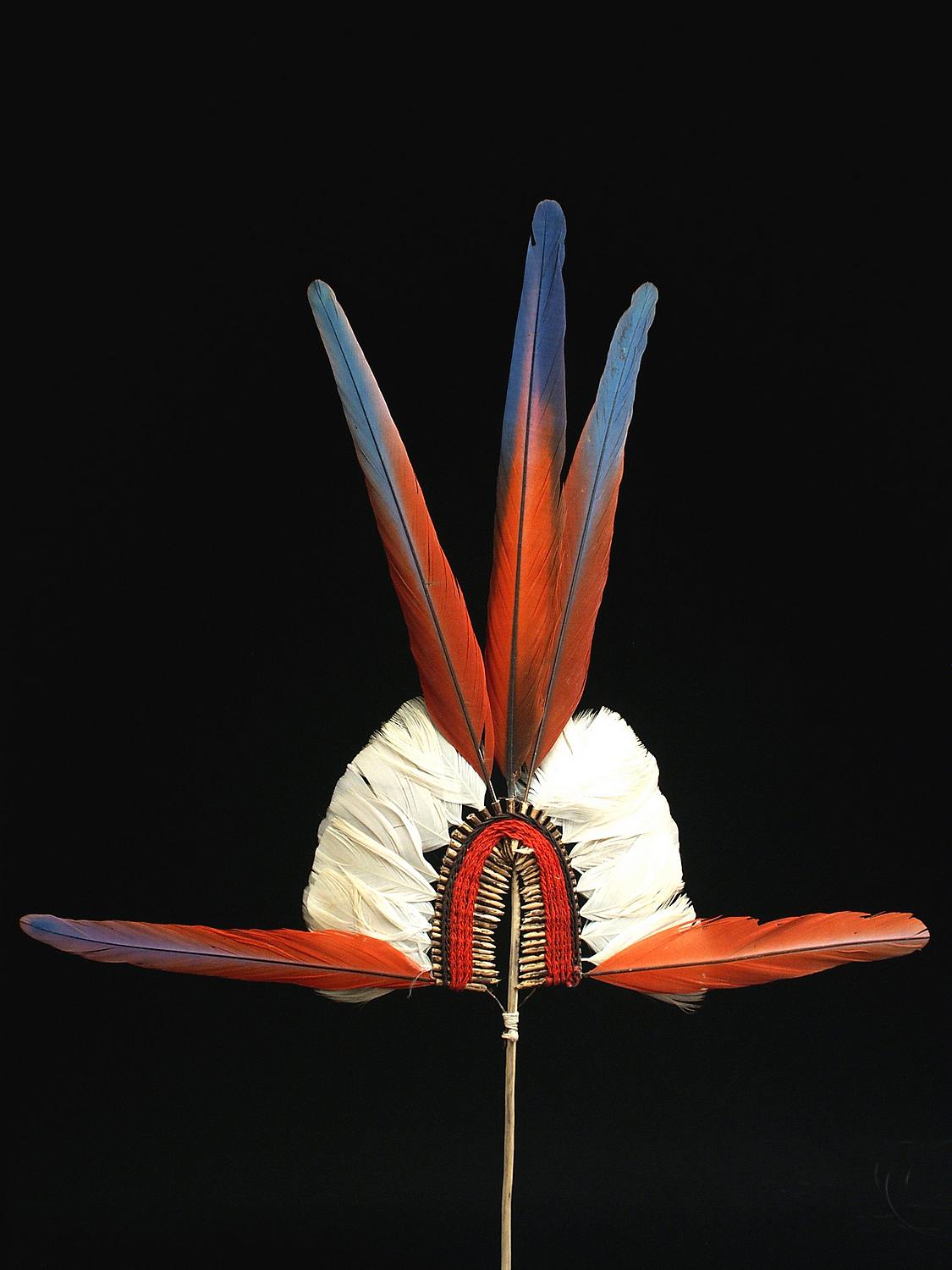
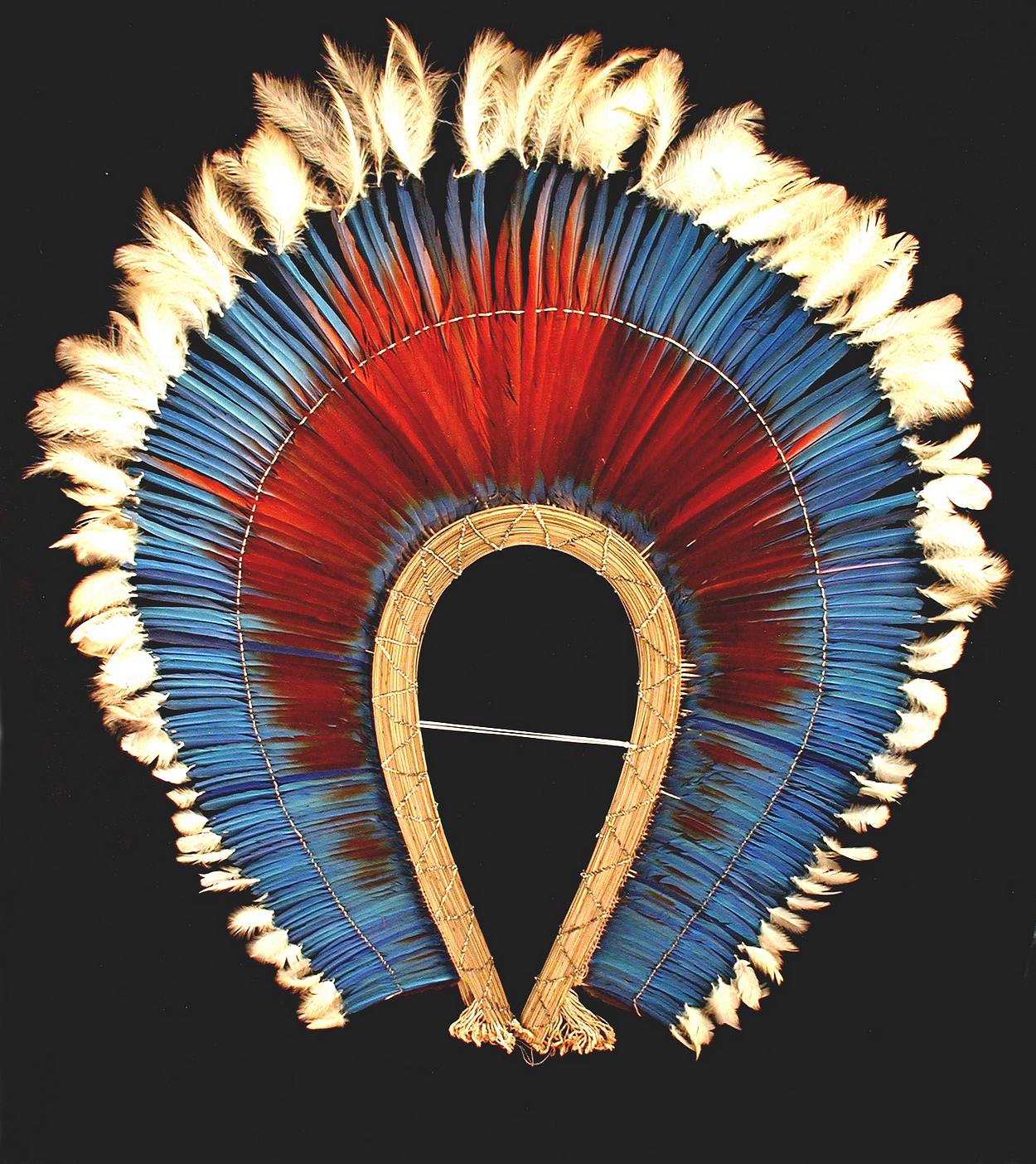
  • Great Diadem Krôkrôk-tire

    Great Diadem Krôkrôk-tire

    It's the most important and visible diadem of the Kayapò. It is used only in the big feasts, assembled with caudal feathers of two parrot species: the red macaw (ara chloroptera) and the blue-yellow macaw (ara ararauna).

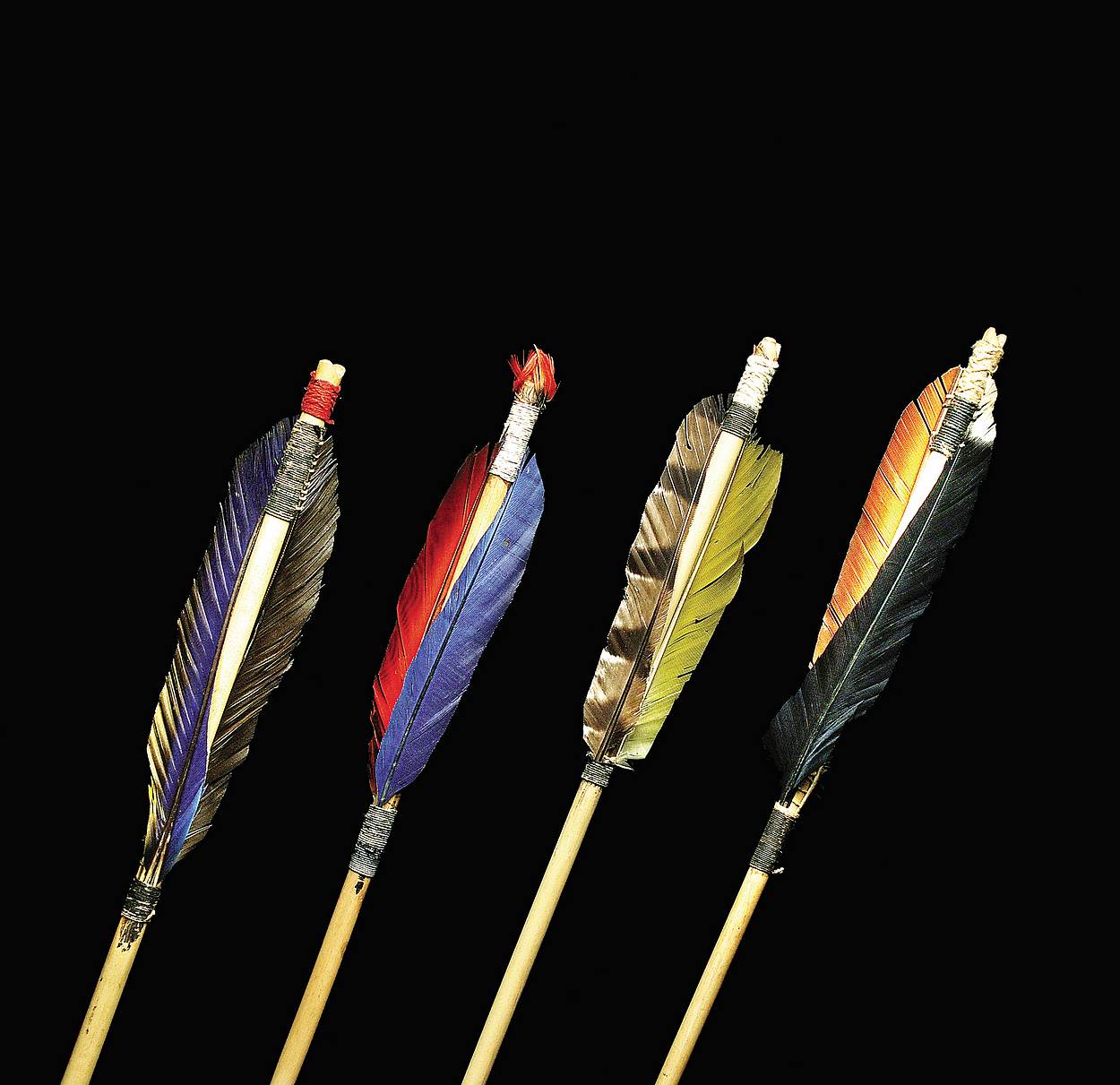
  • Arrows Kruwa

    Arrows Kruwa

    Kruwa: detail of arrows tails with radial fletching of directional feathers

  • Diadem Me-àkkà Pari

    Diadem Me-àkkà Pari

    Very significant and typical "fan-shaped" diadem of the Kayapò. "àkkà-pari" means "bird wings". This diadem is part of the kit of the "warrior" Kayapò.

  • Rattle Ngô-kon

    Rattle Ngô-kon

    Musical instrument that shakes, packed with the pumpkin, always received as an inheritance, because who owns it leads the dance and singing.

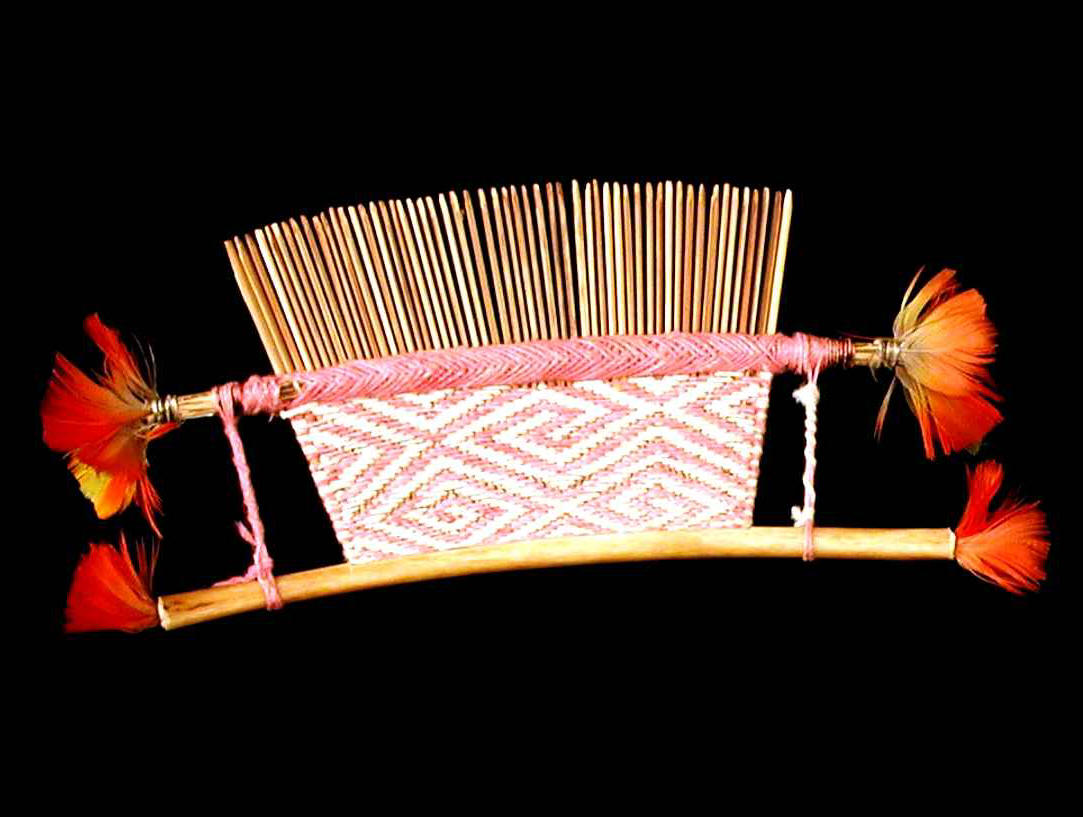
  • Comb Pin-djwa

    Comb Pin-djwa

    Used to comb long and black hair; it allows the spreading babaçu oil.

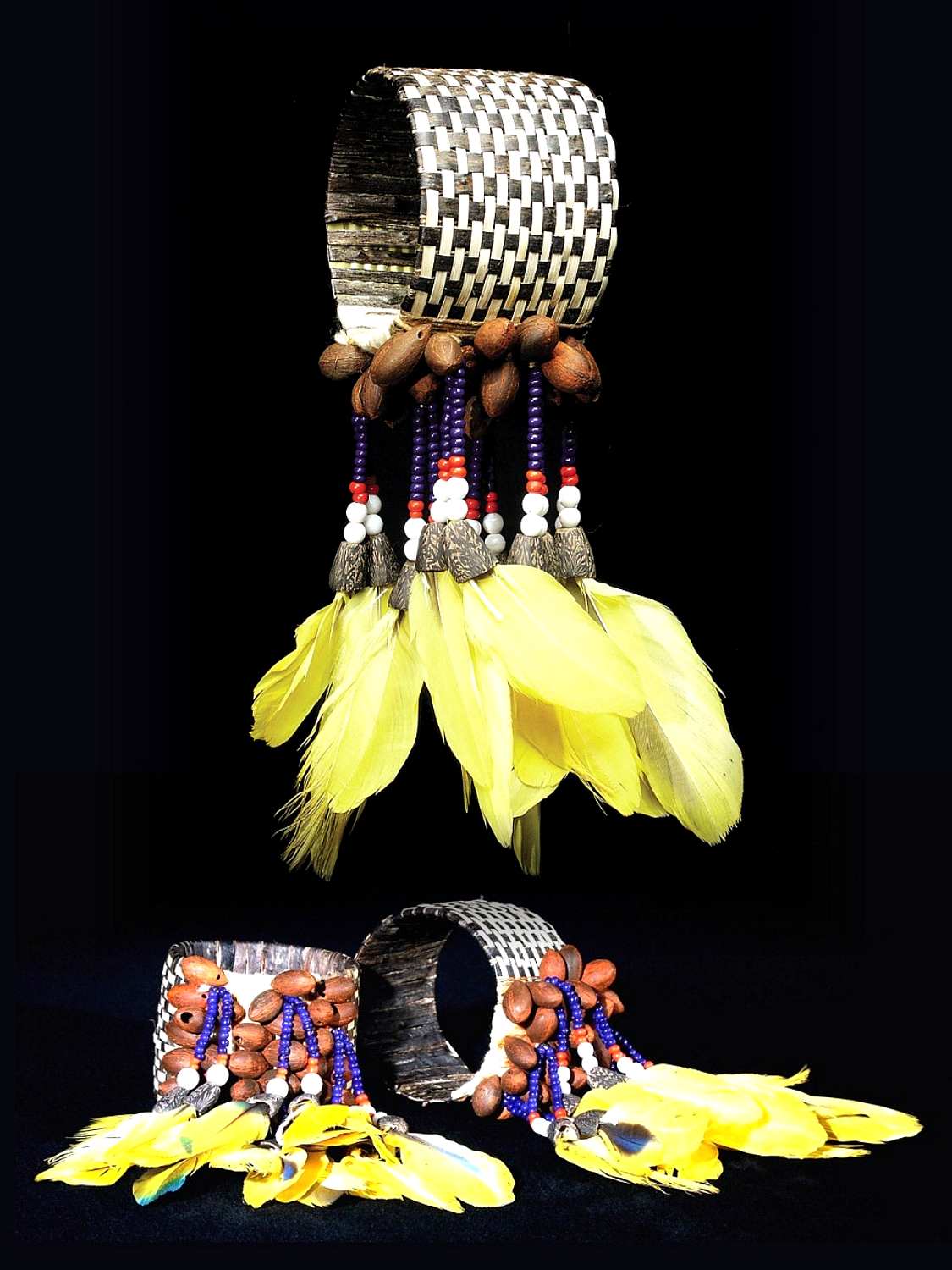
  • Bracelets Me-wôre-kà

    Bracelets Me-wôre-kà

    Wore only by children at the time of their presentation to the community and in the context of the ritual of the Kayapò name.

Traditional African Art


The collection of traditional African art of the museum offers the visitor the chance to “understand” the African soul and spirit, with its mysterious and fascinating art represented by masks, fetishes, statues, symbols of power.
The displays, particularly the rich elements of the people of Eastern Congo, want to offer a cross-section of a society that perceives the mystery, the forces of nature, the meaning of life.

Collection Online

Ethnographic Chinese Collection

It is the oldest and most sought out collection from the early days of our Museum. The first pieces began to arrive in the early years of the 1900. The collection documents the life and customs of the Chinese people and offers a vivid picture of this great civilization, as it appeared in the early 20th century. As is the case for all ethnographic museums, this material shows a picture of a society at that time, but it also shows its genius and innovative approaches. As we admire the solutions adopted by the Chinese culture of that time to solve the problems of life and the environment, we stand in awe in front of the great vitality, ingenuity and dynamism, still present in today’s Chinese society.

Collection Online

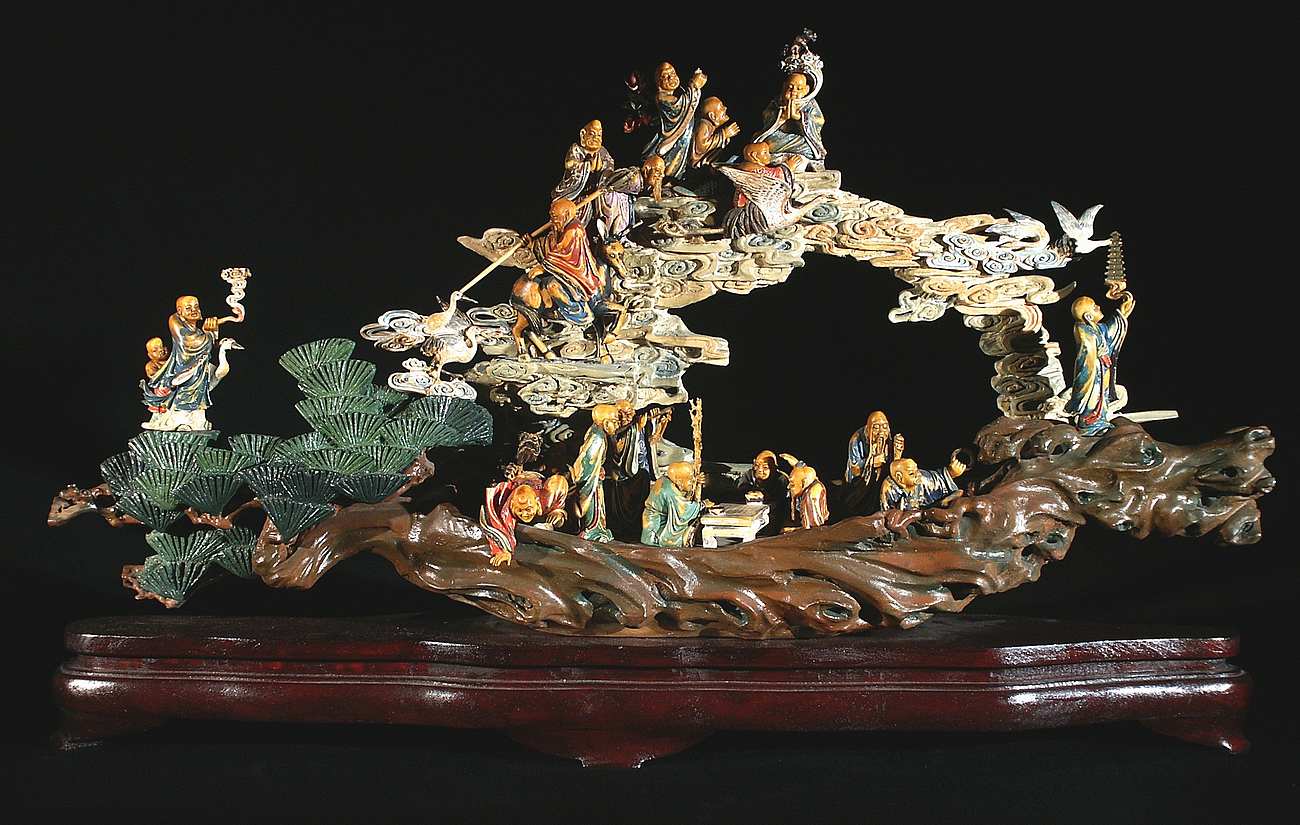
  • Boat of 18 Luohan crossing the sea

    Boat of 18 Luohan crossing the sea

    The Luohan were initially the enlightened disciples of the historical Buddha, to whom it was given the task to preserve the Buddhist law after the departure of the Master, till the future coming of the Buddha Maitreya.

  • Water Vase

    Water Vase

    Objects like this are found on the scholar's study, in order to help him meditate and be creative in his art

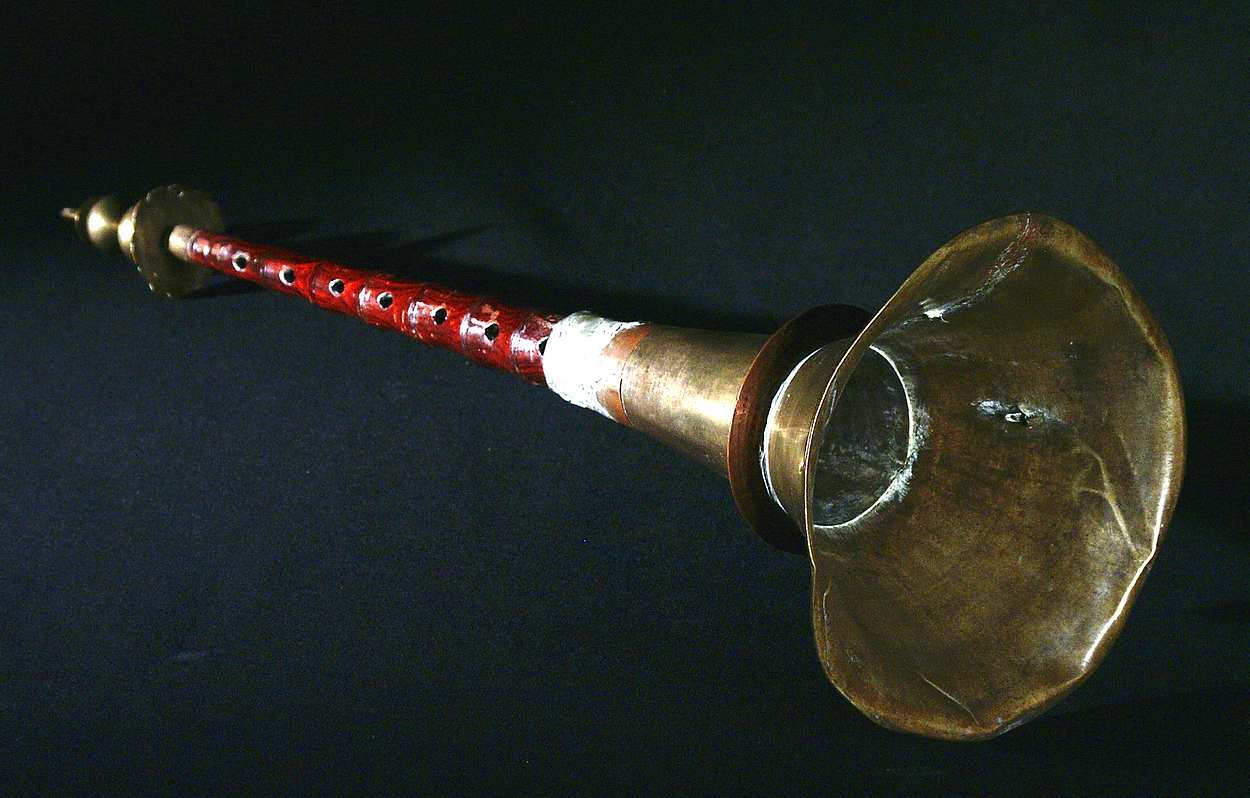
  • Wind instrument (suona)

    Wind instrument (suona)

    Similar to the oboe, it is used in Chinese theaters, opera, feasts and ceremonies, particularly funerals and weddings

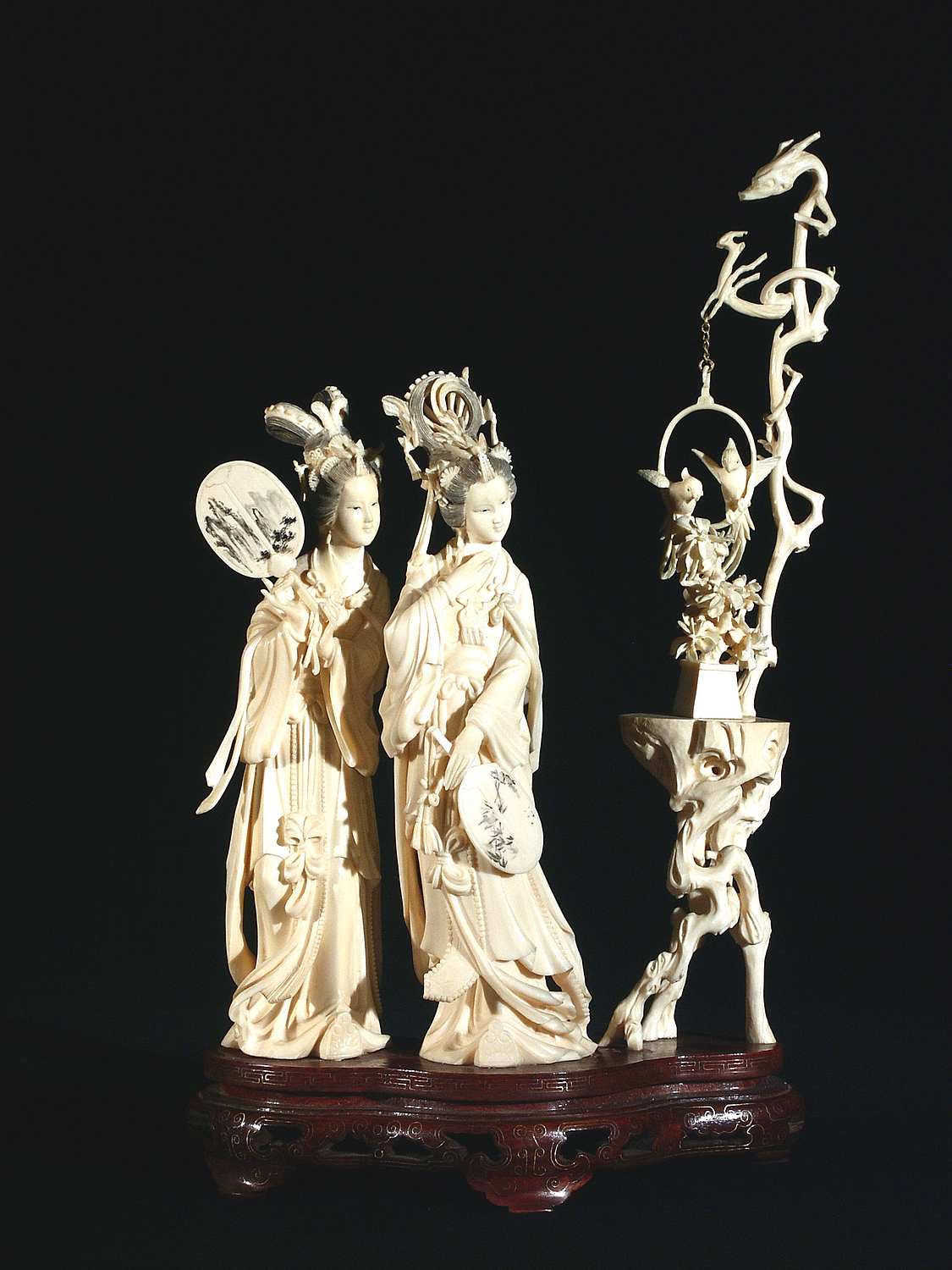
  • Home Decor

    Home Decor

    Ivory sculpture of two elegantly dressed ladies with fan. Ivory is one of the objects preferred by the Chinese to express their profound, mystical artistic sense.

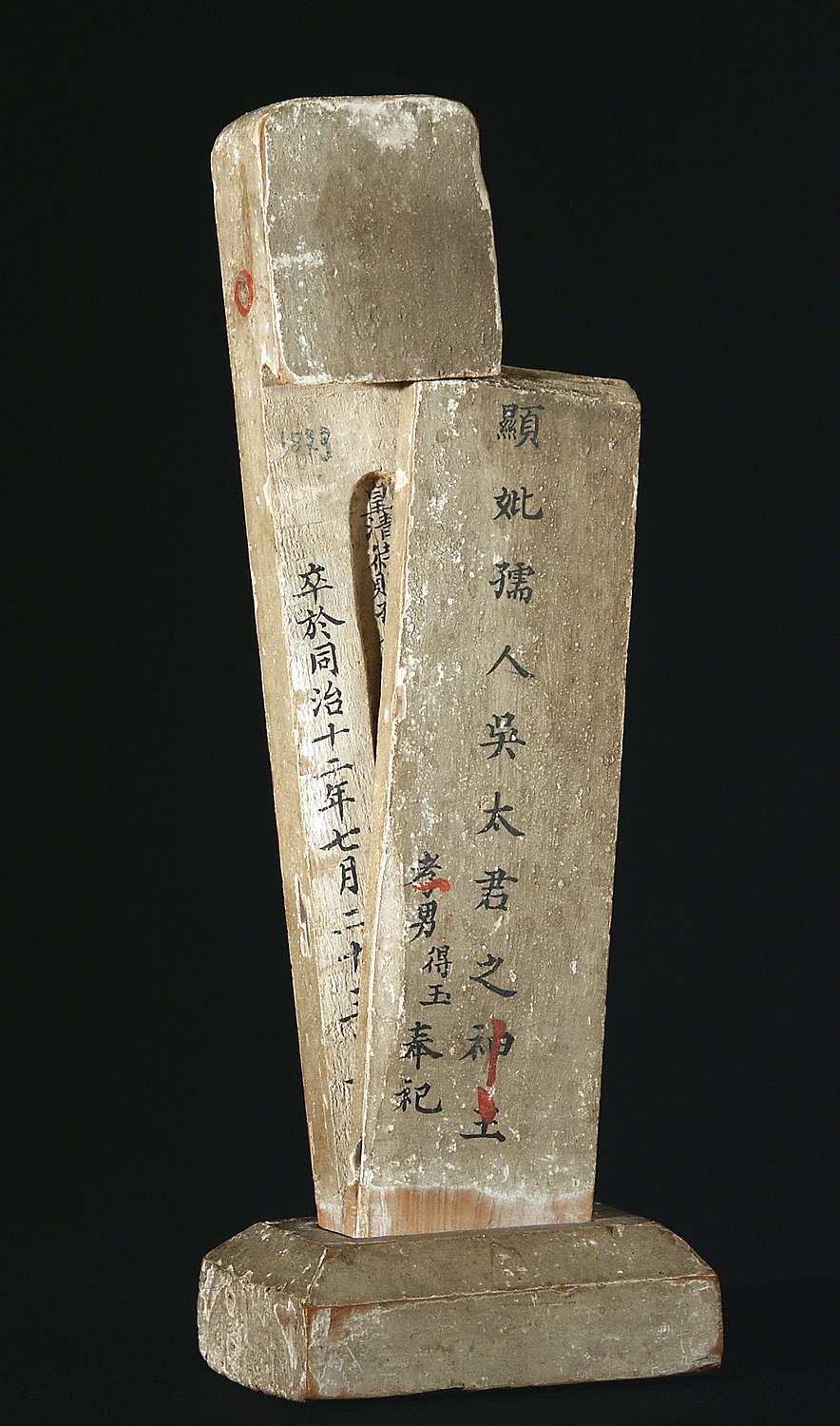
  • Ancestors Tablets

    Ancestors Tablets

    The commemorative Ancestors Tablets (zuzong paiwei) are consided the seat of the spirit of the dead person after the funeral ritual. 

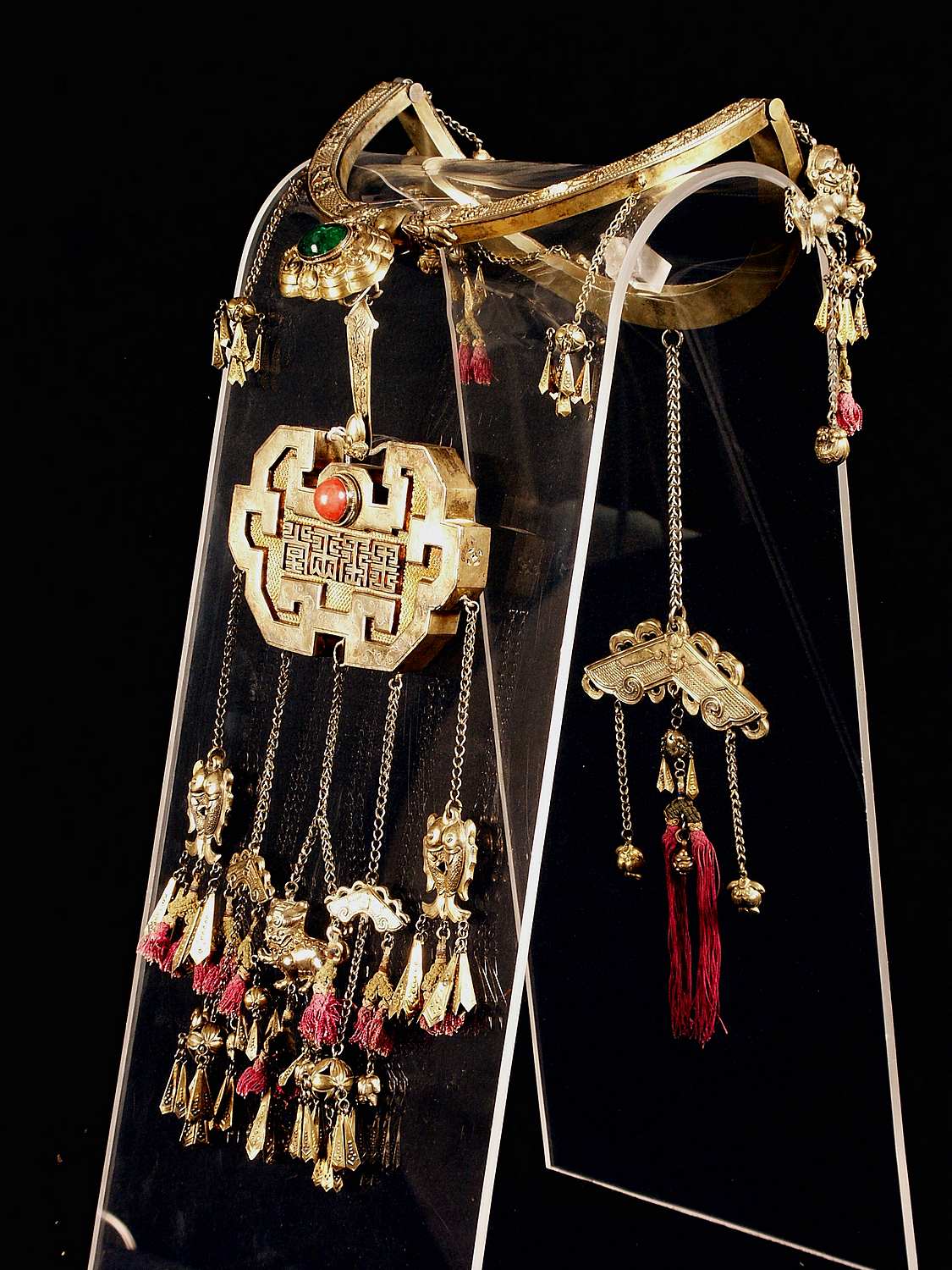
  • Wedding ornament

    Wedding ornament

    Tubular collar with rectangular section, shiny brass color, divided into two semi-circles hinged on the sides, whose upper face represents two dragons (symbol of male fertility).

Read More

Arte Cinese EN

Chinese Art

Ceramics, bronzes, paintings, objects in ivory, wood, jade, numismatic collection

Chinese Art

Preview some artistic objects of the Exhibits

The most significant and prestious collection is without a doubt the "original" collection of Chinese Art. We can admire the collection of pottery and porcelain from China, bronze objects, paintings, silk, coins and good-luck charms, the scholar study and the "Historical Cabinets” which preserve the memory of the museum past, and the exhibit of Chinese religious statuary, together with the many items of the ethnographic collection.

  • Jar North-Western China

    Jar North-Western China

    Terracotta - 3000-1900 a.C.

  • Dog Tang Dynasty

    Dog

    Glazed Terracotta - Tang 618-907

  • Amphora with dragon-shaped handles

    Amphora with dragon-shaped handles

    Glazed Grès - Tang 618-907

  • Dish Yuan

    Dish Yuan

    Porcelain Grès - Yuan 1271-1368

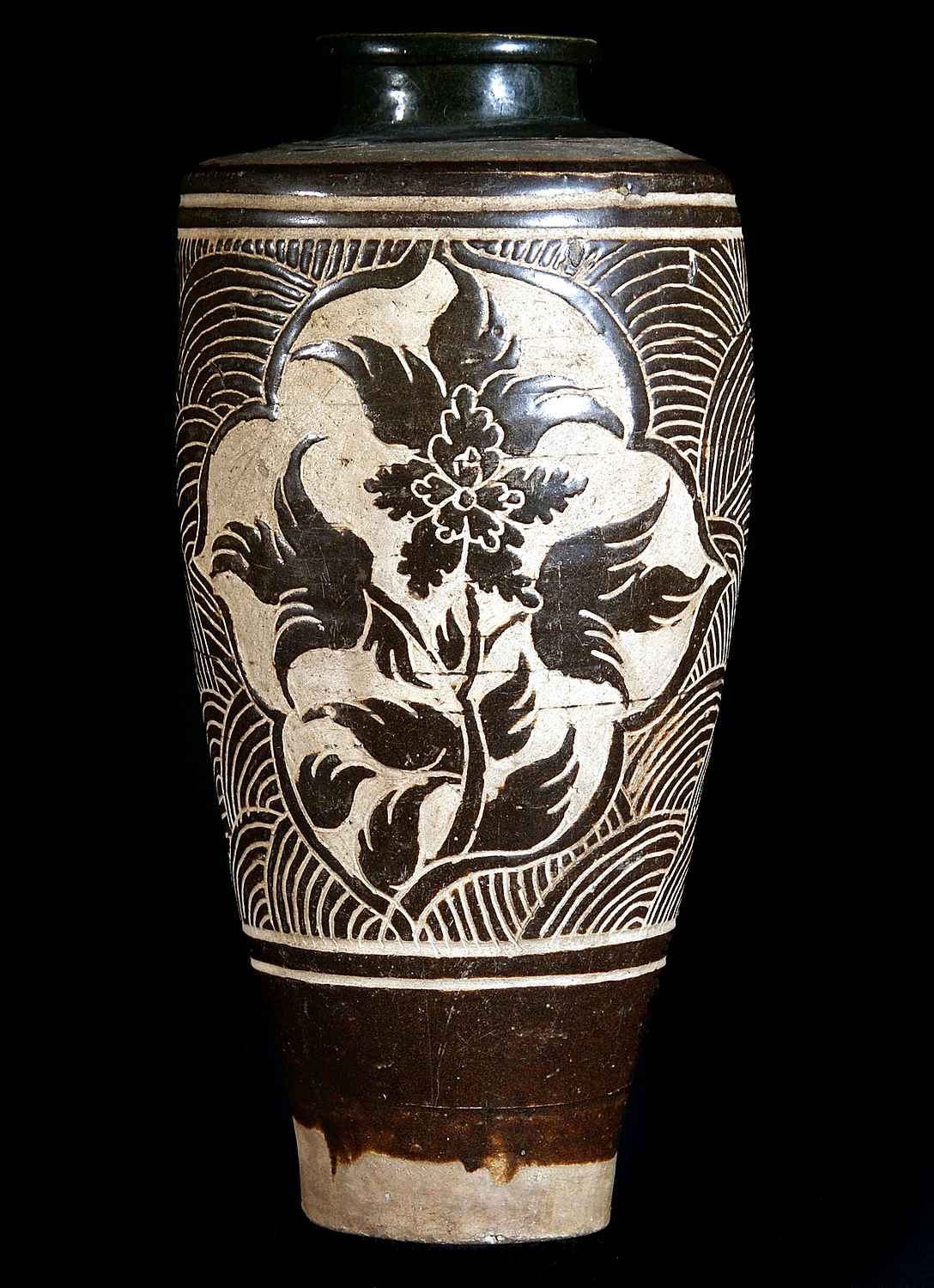
  • Meiping Vase

    Meiping Vase

    Porcelain - Western Xia 1038-1237

  • Ming Jar

    Ming Jar

    Porcelain - Ming 1368-1644

  • Stem Cup, Qing

    Stem Cup

    Porcelain - Qing 1723-1735

  • Flambé glaze Vase

    Flambé glaze Vase

    Porcelain - Qing 1850-1911

  • Dropper in the shape of a tortoise

    Dropper in the shape of a tortoise

    Terracotta - Han 25-220 d.C

Collection of Ceramics

The art of ceramics was perhaps the most important expression of Chinese art. Nothing is as famous as Chinese ceramics. While objects of bronze, jade, and even paintings were reserved for the privileged, ceramics were the domain of all peoples, and it spread throughout the world.

Porcelain is one of the greatest discoveries of the Chinese people. Over seven thousand years ago, the artisans of various ethnic Chinese groups were already able to produce colorful pottery, functional and attractive in appearance. Since then, they continued to produced pottery of all kinds, which have a high artistic level, and well-defined style, typically Chinese.

Both the ceramics and its production were later brought outside China, thus making the production of ceramics, one of the great gifts that this society has given to the world.

Collection Online


Bronze Collection

It is one of the most effective ways to describe or document a civilization. This statement is true when it comes to the production of bronze objects in China. We know that the art of bronze flourished in China in times much later than those of the West. What is amazing is the fact that it almost immediately reached high quality levels, without going through the infant stages, with levels of technique and style superior to those of any other people in the Near East or in the Mediterranean basin.
As we come to know the bronze artifacts that China has produced over thousands of years, we come to know the soul, the sense of mystery, the standards of beauty and the desire to transcend time.

Collection Online

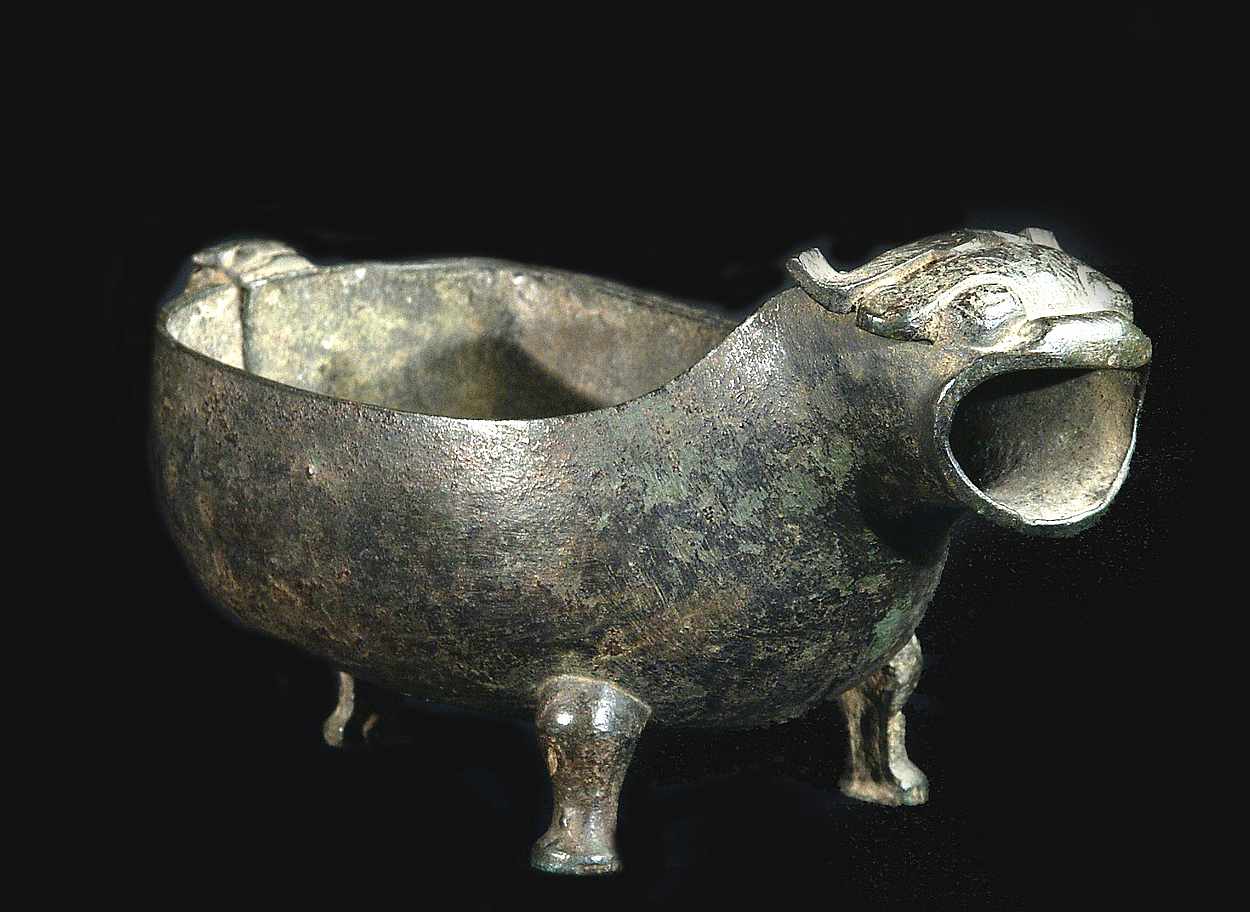
  • Ritual Vase - Zhou 1045-256 a.C.

    Ritual Vase - Zhou 1045-256 a.C.

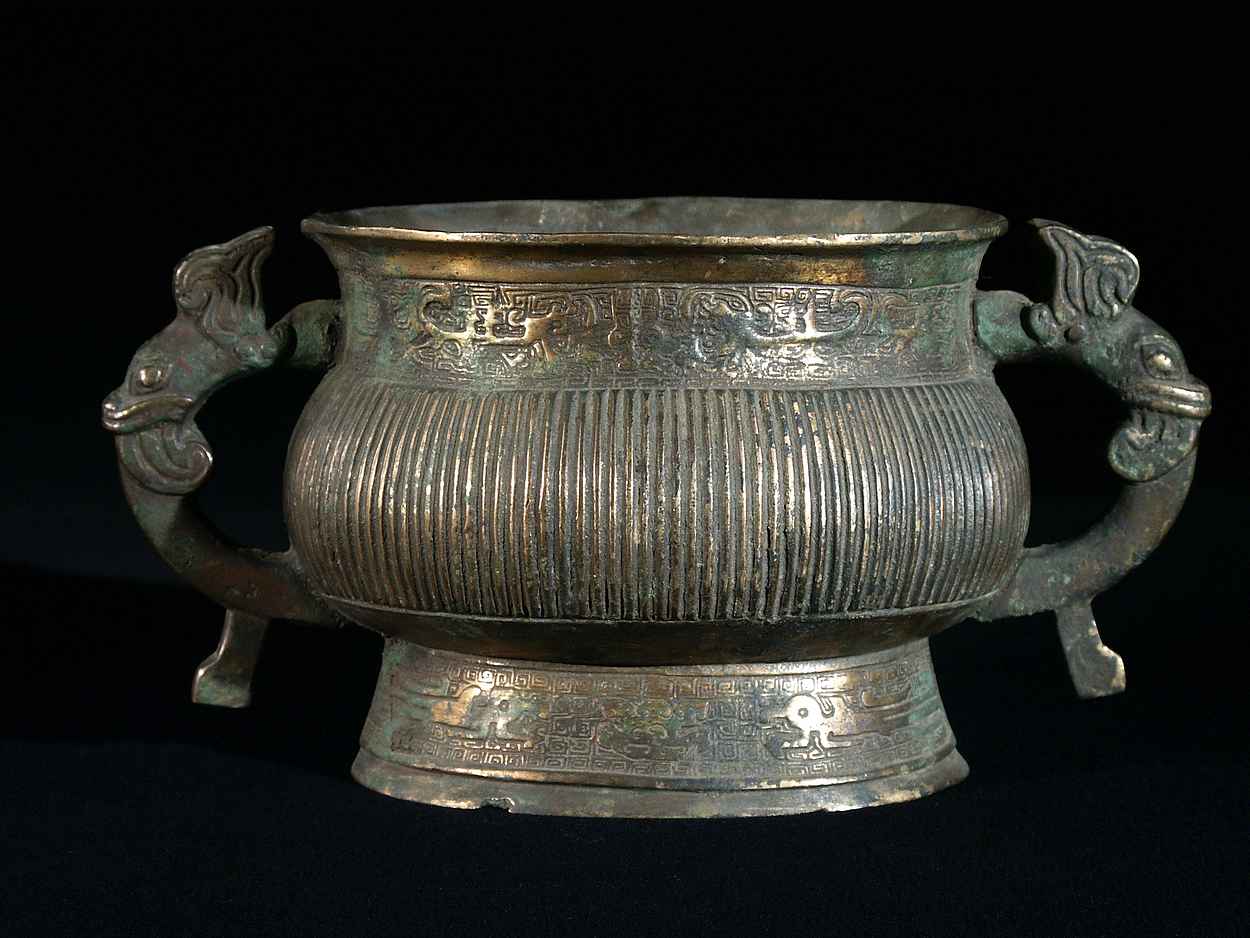
  • Kuei Vase - Ming 1368-1644

    Kuei Vase - Ming 1368-1644

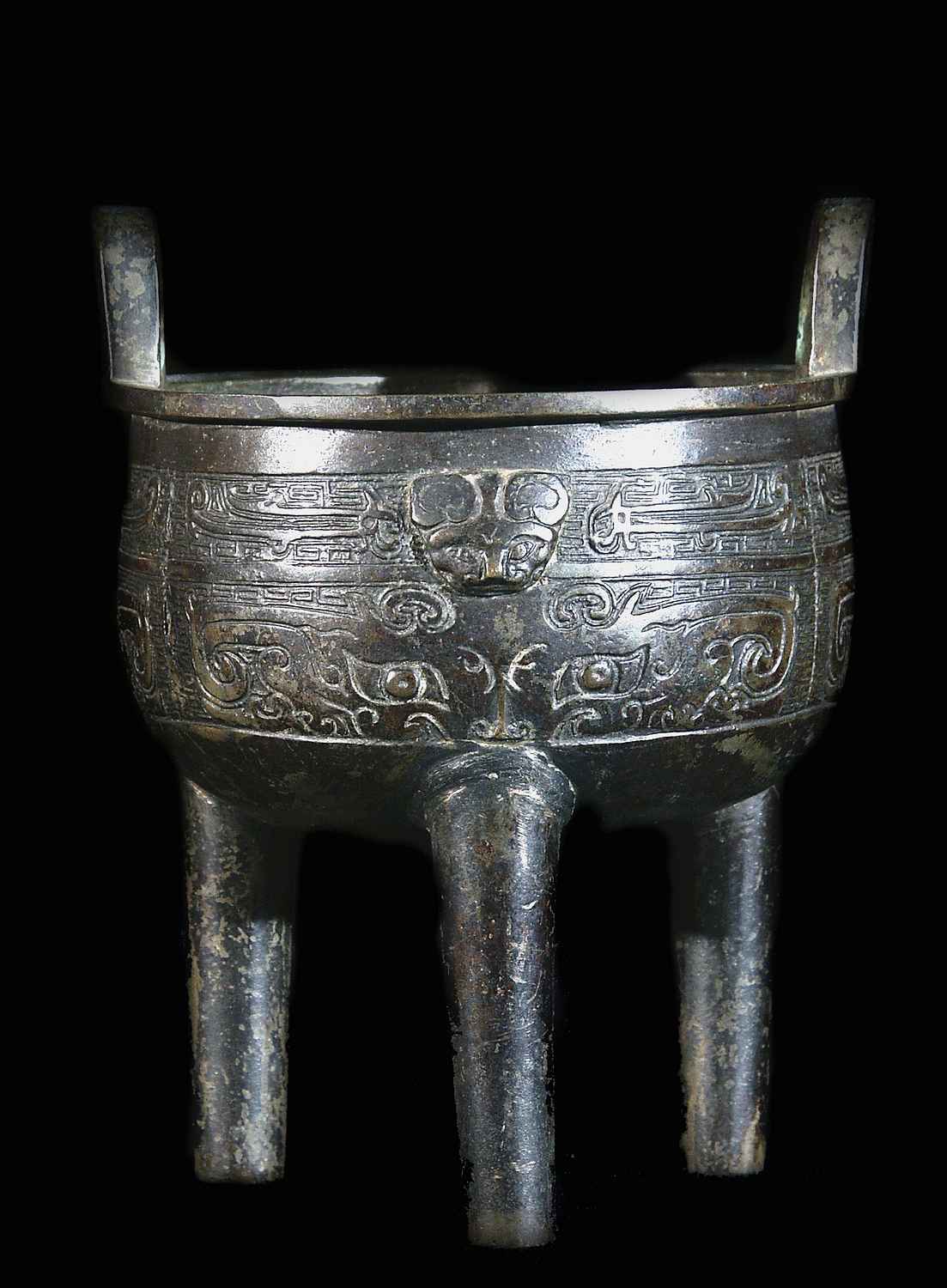
  • Patinated bronze Ding

    Patinated bronze Ding - Ming 1368-1644

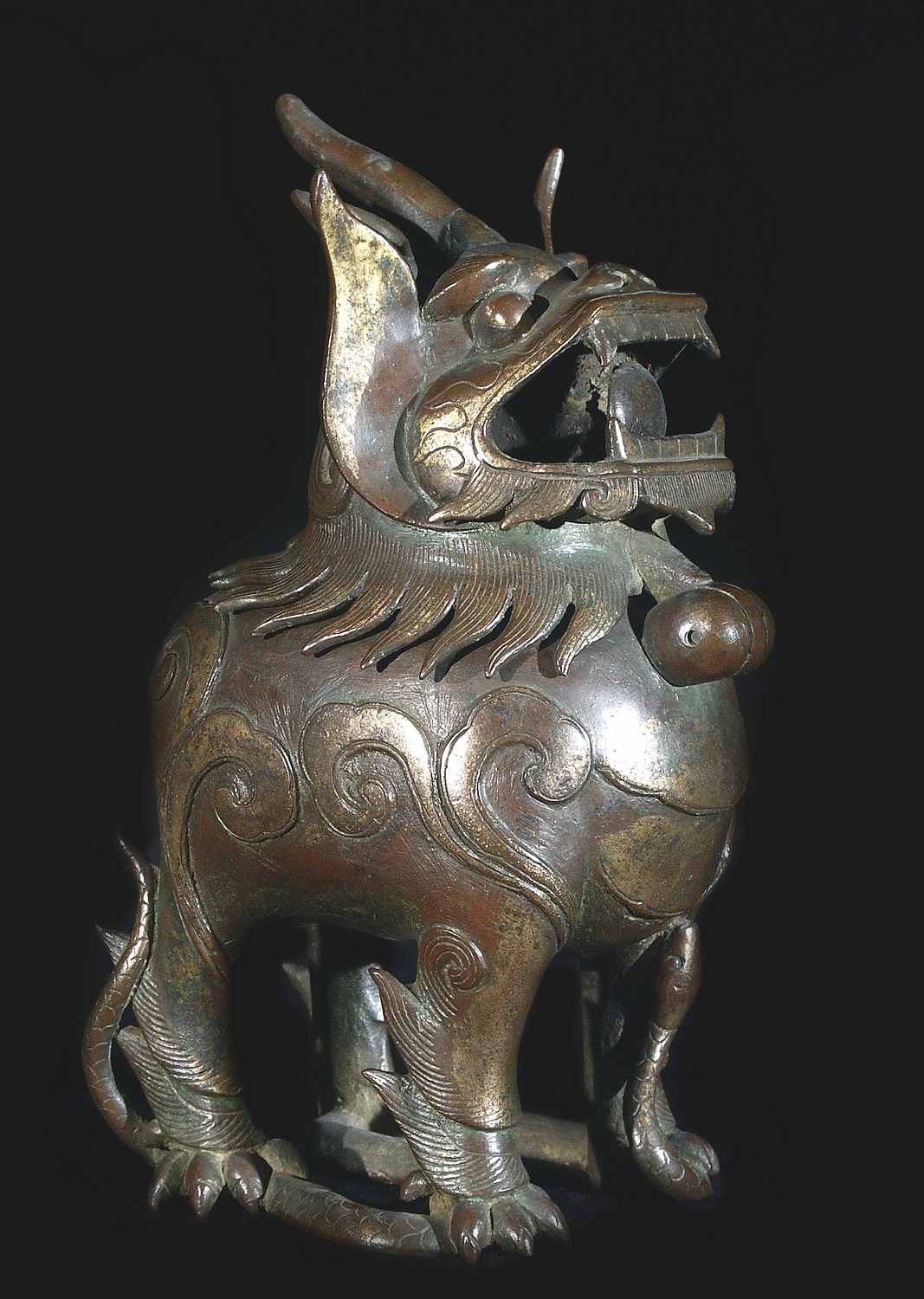
  • Incense Burner

    Incense Burner - Ming 1368-1644

Collection of Paintings

cna0575dipfThe gift of simplicity is often found in Chinese paintings, but it is so rich in meaning that it can be identified with profound philosophical, moral, social and even ascetic principles. Most of the time the artist was a philosopher, a wise person who possessed the noblest way to interpret and express the mystery of nature. For this reason, the Chinese regarded the art of painting as "the perfection of knowledge."
The museum has more than 100 paintings, rubbings and inscriptions, and only a few are displayed, because of space and conservation reasons.

Collection Online

Popular Religion

Chinese ceramics, painting and calligraphy give a picture of the cultural, political, social and economic climate which impacted the varied eras and their development, the images of popular devotion - well represented in our Museum - express the wisdom of the people who have produced them. These images show a conception of the world, with its cultural context, feelings and ideas, which we westerners call religion or religiosity.
Alongside the religious beliefs and practices taught by the great religions (Taoism, Confucianism, and Buddhism), China has always seen expressions of "popular religiosity" with a large assortment of customs, deities, or god-like historical figures.
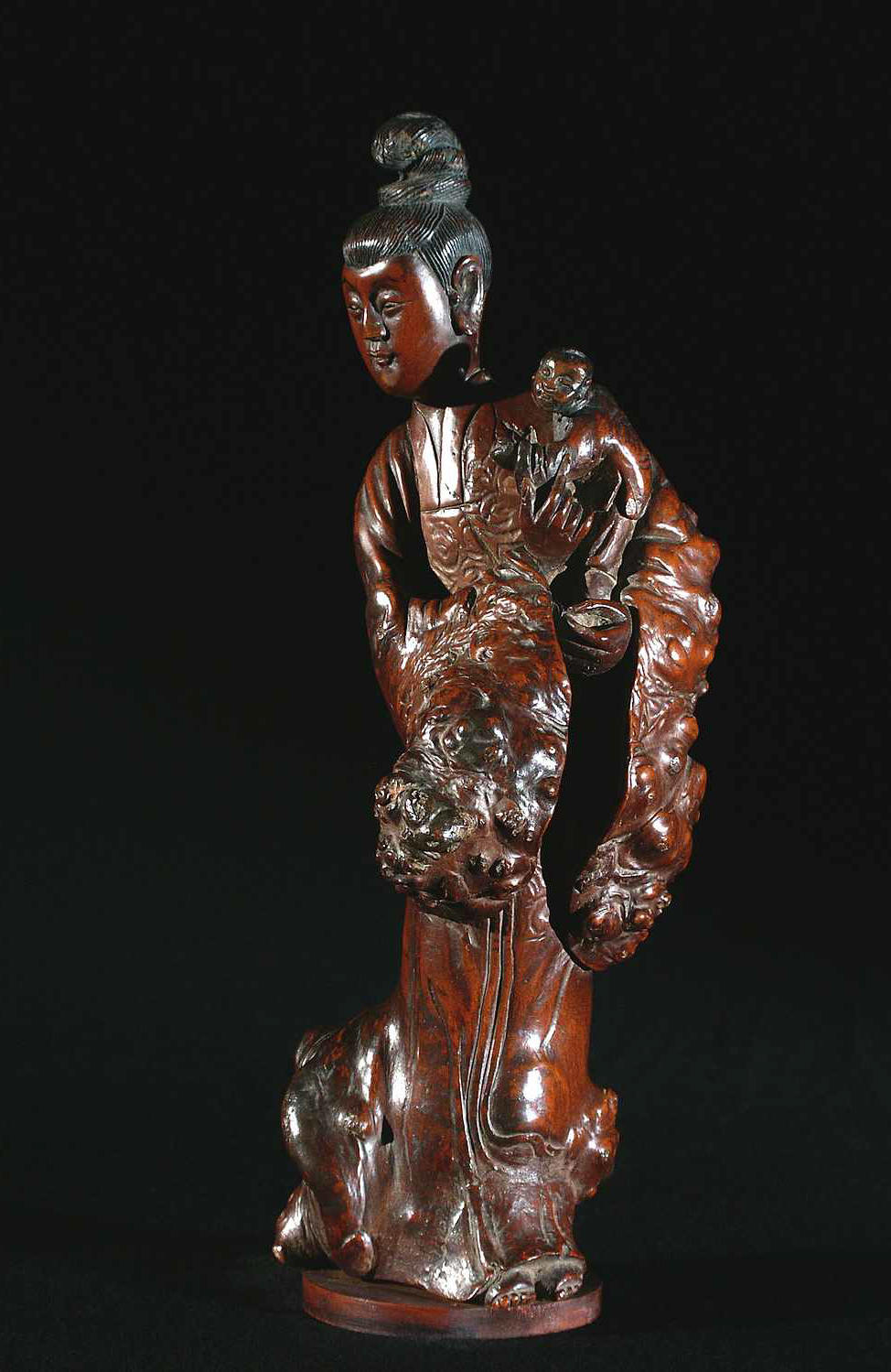
The museum's collection documents various images of popular iconography, such as the Guanyin: in a porcelain statue, it is shown with the characteristic lotus flower; one wooden statue depicts the Guanyin as the "bestower of children"; another as the Guanyin "with basket of fish".
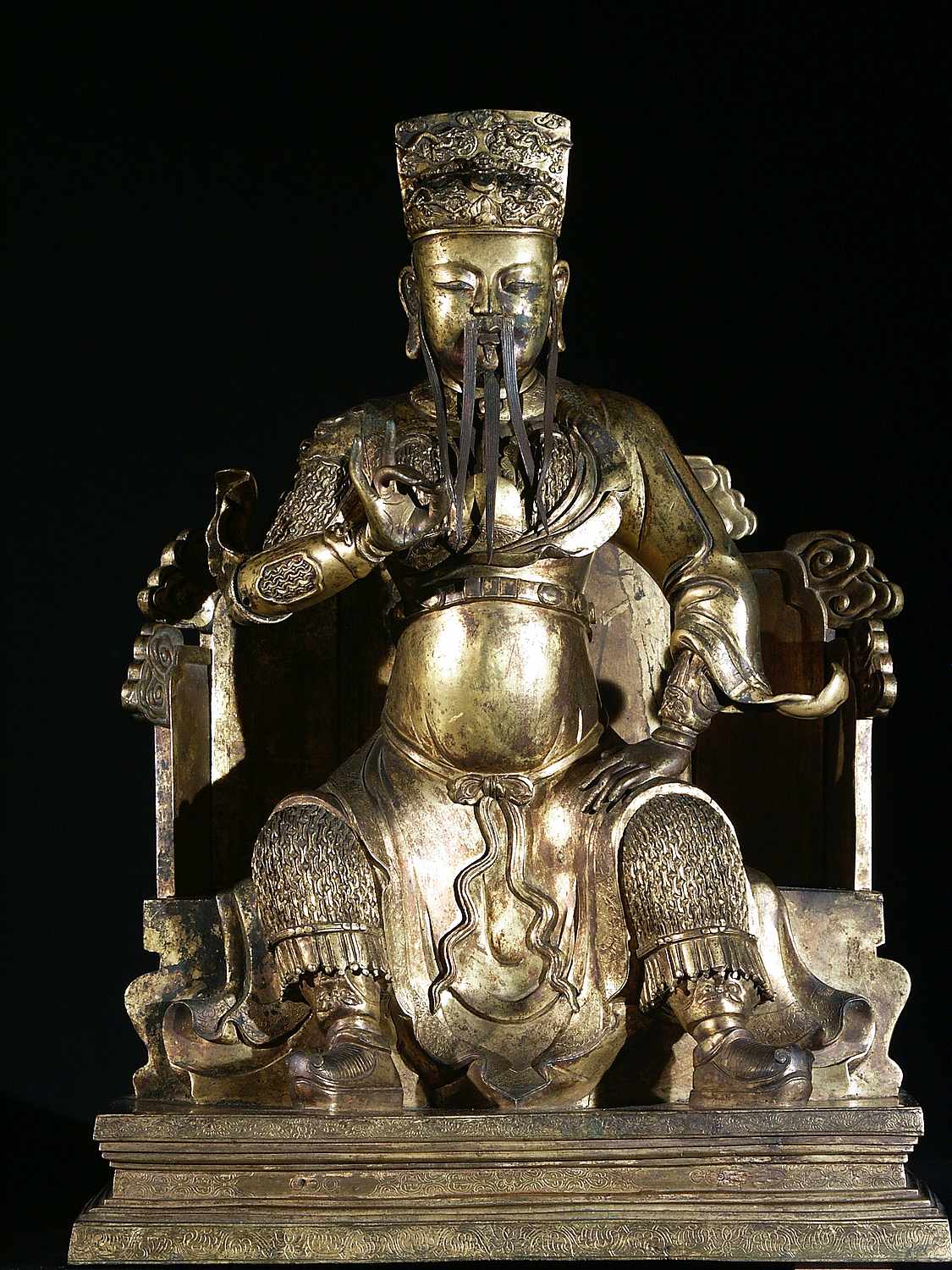
Guangdi (or Guanyu), venerated by the Taoist tradition, is another example of an image of popular religion.

Collection Online

  • Guan Di (Guan Yu) - Dinastia Qing

    Guan Di - Qing 1700-1795

  • Bell Zhong - Five Dinasties 907-960

    Bell Zhong - Five Dinasties 907-960

  • Bodhisattva / Guanyin - Qing Emp. Qianlong (1736-1795)

    Bodhisattva / Guanyin - Qing Emp. Qianlong (1736-1795)

  • Guanyin with fish basket - Qing 1850-1900

    Guanyin with fish basket - Qing 1850-1900


Moneta Ming Principe di Wu

Collection Online

Coins and Charms

Of the over 5.000 coins, the “Rossi Scalzi collection” is exhibited at the Museum, held in an elegant, ingenious, hand-painted wood container built in China.
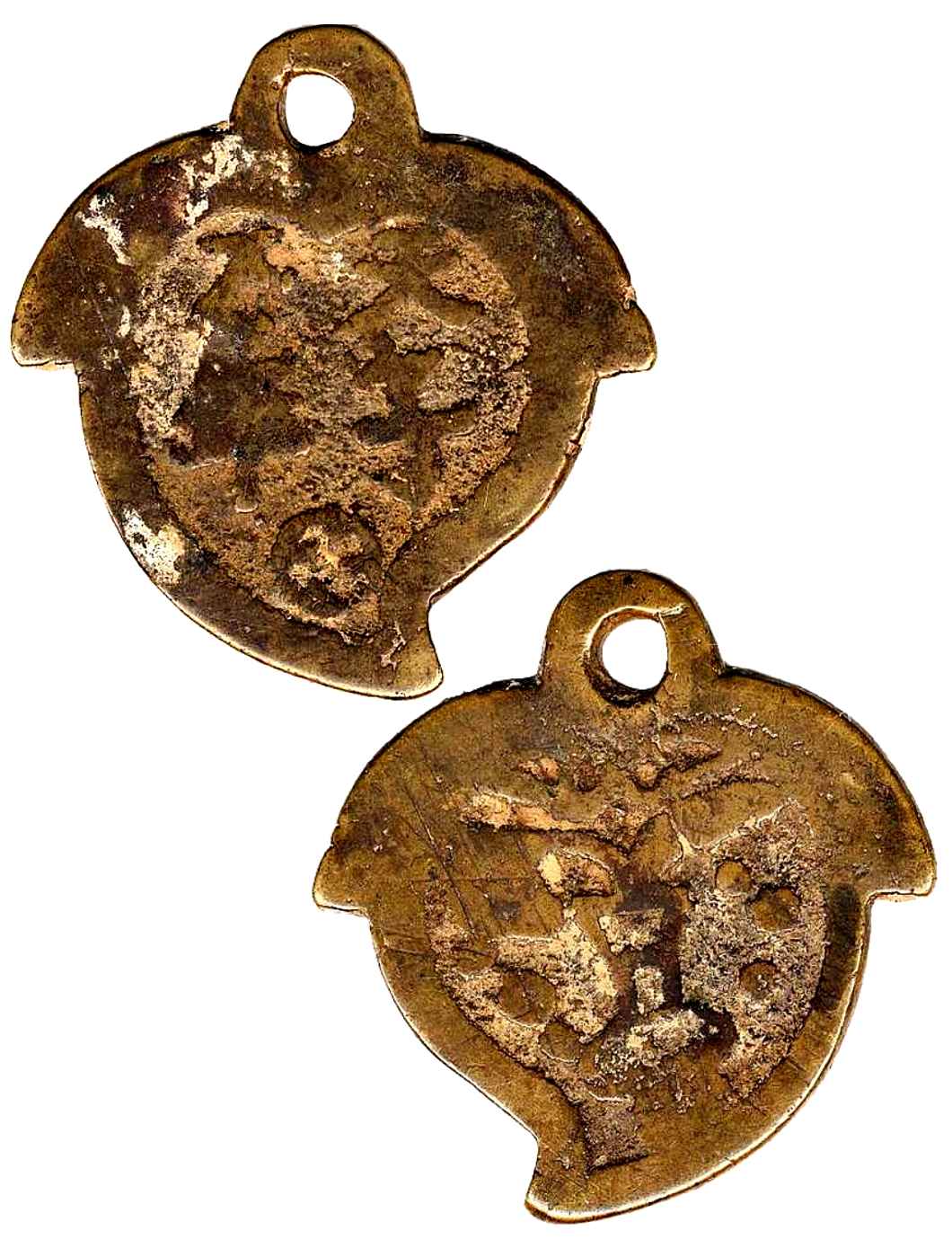
Among the thousands of Chinese coins that the Xaverians have collected in the early decades of the 1900, there were others, which came to be classified as "good luck charms", which had the power to control hostile forces, and allow us to buy luck and success.

Amuleto di palazzo a forma di pesca

Collection Online

Read More

Sala EN

Conference and Exhibition Room

A place for exhibits of art, meetings and workshops

Meeting Place


A place open to the world and the meeting of cultures This room, with the title "MonDidattica," is offered to visitors, students and school groups, for a reflection on the world and its current challenges.

Do you want to contribute to this vision with an exhibition, a cultural meeting, an educational moment, a workshop? The room is available by reservation.

Book the Room

  • Sala conferenze al museo

    Hall Dimensions

    mt 15 x mt 5,
    about 75 m2 space
    for meetings, conferences,
    workshops and temporary exhibits.
    Maximum Occupancy: 50

  • Sala Espositiva, quadri del Calendario Incontri 2017

    Exhibit Space

    The picture hanging system with supports for flexible wall pictures is an elegant display for exhibitions with great flexibility.
    The available space can display
    12-14 large paintings (1 meter),
    30 small/medium paintings.

  • Esposizione quadri della mostra Ligustro

    Equipment

    Hand-held, pin-operated microphone,
    Video projector, PC connection,
    Sound system, Wi-fi,
    Picture hanging system,
    24 adjustable LED spotlights
    10 tables, 40 chairs,
    blackout blinds

  • Mostra Ligustro
  • Mostra Indonesia e India
  • Didattica sull'Africa
  • Schermo aula didattica
  • Mostra sull'Indonesia e India
  • Didattica sull'Arte Africana
  • Lezione sull'Africa
  • Logo Mondidattica
  • Tavolo con strumenti didattici di Osteoarc

Conference and Exhibition Room

Meeting Place
Art Exhibitions
Exhibit Inaugurations
Teaching Presentations
Workshops
Cultural Gatherings

Contact Us

Conference and Exhibition Room

Meeting Place

Museo d’Arte Cinese ed Etnografico
Viale San Martino, 8
43123 Parma, PR
Tel. 0521-257.337

Read More

Pubblicazioni EN

Gift Shop

Gifts, publications and studies

Orders and Purchases

Come to the Museum Reception where major Credit Cards are acccepted, during our opening hours:
Tuesday to Saturday - 9am-1pm | 3pm-7pm, and Sunday - 3pm-7pm

Publications of a Noble Museum

Publications and brief Studies (quaderni) for sale at the museum Reception


  • Cose di Cina Quotidiana (1900-1950), Emilio Iurman

    Cose di Cina Quotidiana (1900-1950)

    Iurman Emilio

    IN ITALIAN - PAGES 296, ILLUSTRATED.
    PRICE: € 45

  • Chinese Ceramics, Ye Zhemin

    Chinese Ceramics

    Ye Zhemin

    ENGLISH - PAGES 146, ILLUSTRATED
    EDITION IN ENGLISH OR ITALIAN
    PRICE: € 12

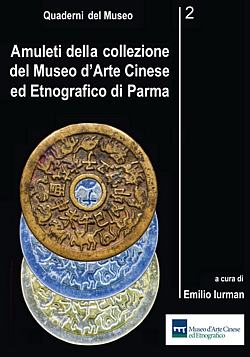
  • Amuleti della collezione del Museo d'Arte Cinese ed Etnografico

    Iurman Emilio

    IN ITALIAN - PAGES 64, ILLUSTRATED.
    PRICE: € 15

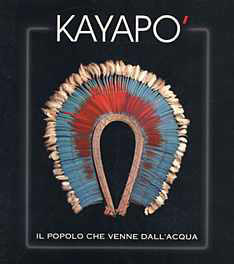
  • Kayapò: Il popolo che venne dall'acqua - Trevisan Renato, Iurman Emilio

    Kayapò: Il popolo che venne dall'acqua

    Trevisan Renato - Iurman Emilio

    IN ITALIAN - PAGES 120, WITH PHOTOS OF ORIGINAL ARTIFACTS.
    PRICE: € 12

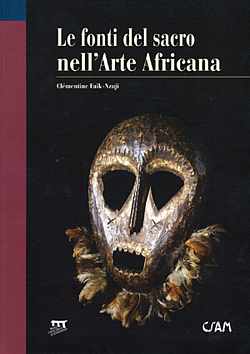
  • Fonti del Sacro nell'Arte Africana, Clementine M. Faik-Nzuji

    Le Fonti del Sacro nell'Arte Africana

    Clementine M. Faik-Nzuji

    IN ITALIAN - PAGES 70, ILLUSTRATED
    WITH 30 DIDACTIC CARDS.
    PRICE: € 15

  • Cina immagini di un tempo remoto

    Cina, Immagini di un tempo remoto

    AA. VV.

    TEXT IN ITALIAN, ENGLISH, CHINESE - PAGES 190.
    PRICE: € 15

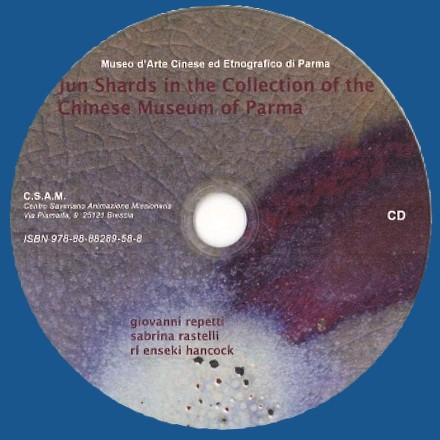
  • La Ceramica Jun, Rastelli S., Repetti G., Ri Enseki Hancock

    Jun Ware - CD

    Repetti Giovanni, Rastelli Sabrina, Enseki Hancock Roberta

    CD BOOK, ILLUSTRATED
    IN ITALIAN AND ENGLISH.
    PRICE: € 15

  • Museo d'Arte Cinese di Parma, Toscano Giuseppe

    Museo d'Arte Cinese di Parma

    Toscano Giuseppe

    1st ED. (1965) PAG. 658 - OUT OF PRINT.
    "ARTE E CULTURA CINESE" - 2nd ED. (1984) PAGES 280
    PRICE: € 80

  • Cose di Cina Quotidiana (1900-1950), Emilio Iurman

    Cose di Cina Quotidiana (1900-1950)

    Iurman Emilio

    IN ITALIAN - PAGES 296, ILLUSTRATED.
    PRICE: € 45

  • Chinese Ceramics, Ye Zhemin

    Chinese Ceramics

    Ye Zhemin

    ENGLISH - PAGES 146, ILLUSTRATED
    EDITION IN ENGLISH OR ITALIAN
    PRICE: € 12

  • Amuleti della collezione del Museo d'Arte Cinese ed Etnografico

    Iurman Emilio

    IN ITALIAN - PAGES 64, ILLUSTRATED.
    PRICE: € 15

  • Kayapò: Il popolo che venne dall'acqua - Trevisan Renato, Iurman Emilio

    Kayapò: Il popolo che venne dall'acqua

    Trevisan Renato - Iurman Emilio

    IN ITALIAN - PAGES 120, WITH PHOTOS OF ORIGINAL ARTIFACTS.
    PRICE: € 12

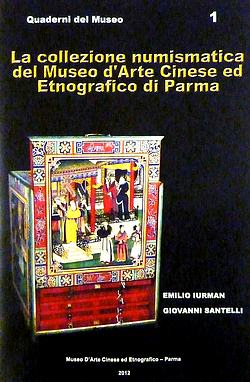
  • La Collezione Numismatica del Museo d'Arte Cinese ed Etnografico di Parma, Iurman, Santelli

    La Collezione Numismatica del Museo d'Arte Cinese ed Etnografico di Parma

    Iurman Emilio - Santelli Giovanni

    IN ITALIAN - PAGES 56, ILLUSTRATED.
    OUT OF PRINTPRICE: € 12

  • Fonti del Sacro nell'Arte Africana, Clementine M. Faik-Nzuji

    Le Fonti del Sacro nell'Arte Africana

    Clementine M. Faik-Nzuji

    IN ITALIAN - PAGES 70, ILLUSTRATED
    WITH 30 DIDACTIC CARDS.
    PRICE: € 15

  • Cina immagini di un tempo remoto

    Cina, Immagini di un tempo remoto

    AA. VV.

    TEXT IN ITALIAN, ENGLISH, CHINESE - PAGES 190.
    PRICE: € 15

  • La Ceramica Jun, Rastelli S., Repetti G., Ri Enseki Hancock

    Jun Ware - CD

    Repetti Giovanni, Rastelli Sabrina, Enseki Hancock Roberta

    CD BOOK, ILLUSTRATED
    IN ITALIAN AND ENGLISH.
    PRICE: € 15

  • Museo d'Arte Cinese di Parma, Toscano Giuseppe

    Museo d'Arte Cinese di Parma

    Toscano Giuseppe

    1st ED. (1965) PAG. 658 - OUT OF PRINT.
    "ARTE E CULTURA CINESE" - 2nd ED. (1984) PAGES 280
    PRICE: € 80

The Gift Shop

Memories, Gifts and Publications of the Museum

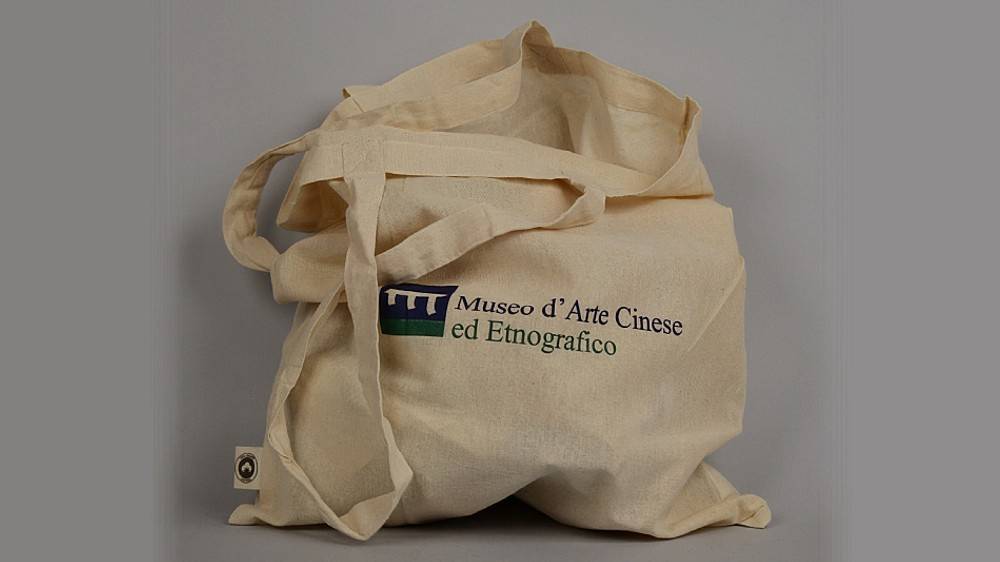
  • Congo Shopping Bag

    Museum Bag

    Shopping bag with the museum logo
    PRICE: € 3,50
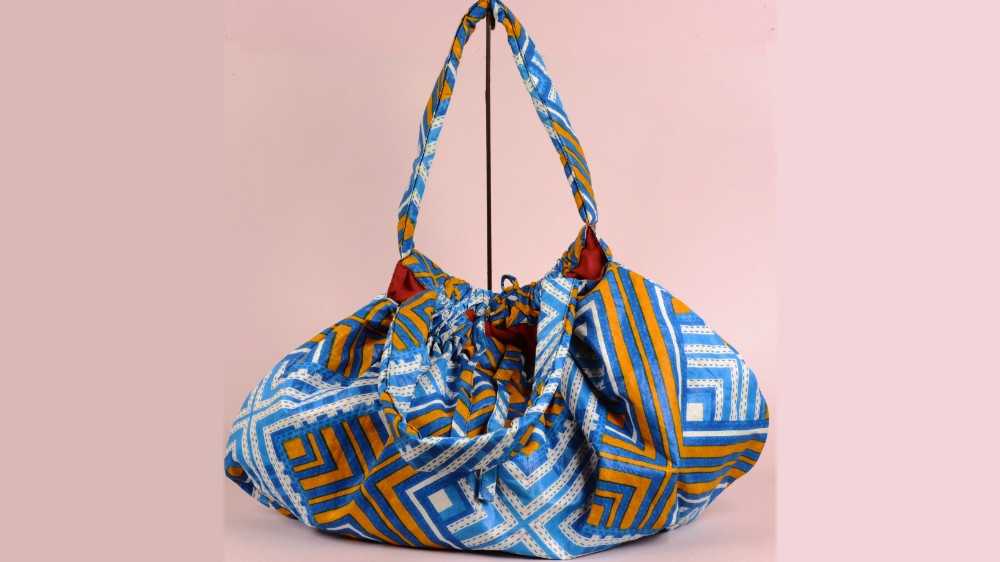
  • Congo Shopping Bag

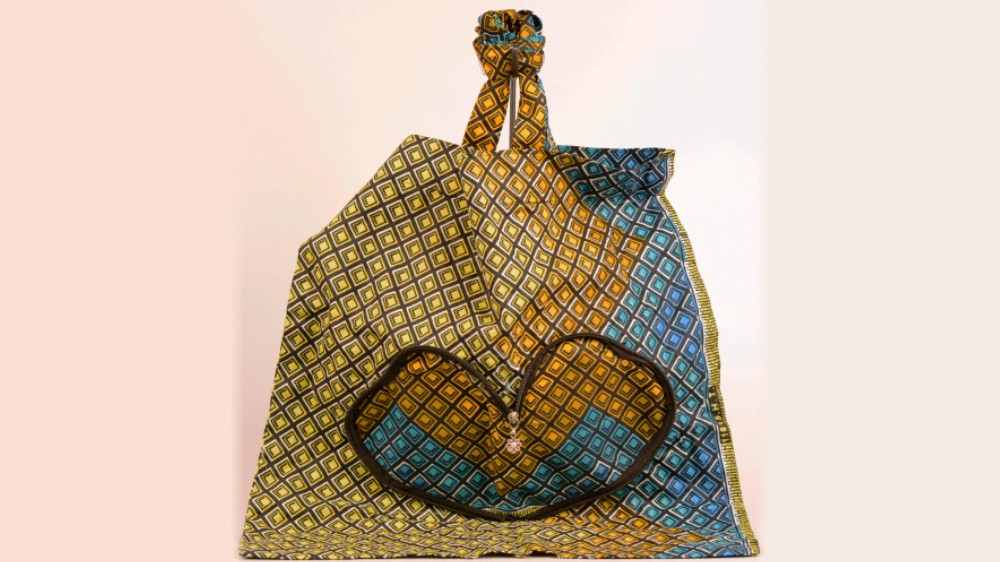
    Big Bag

    Handmade colored bag from Goma, D. R. Congo
    PRICE: € 30
  • Congo Shopping Bag

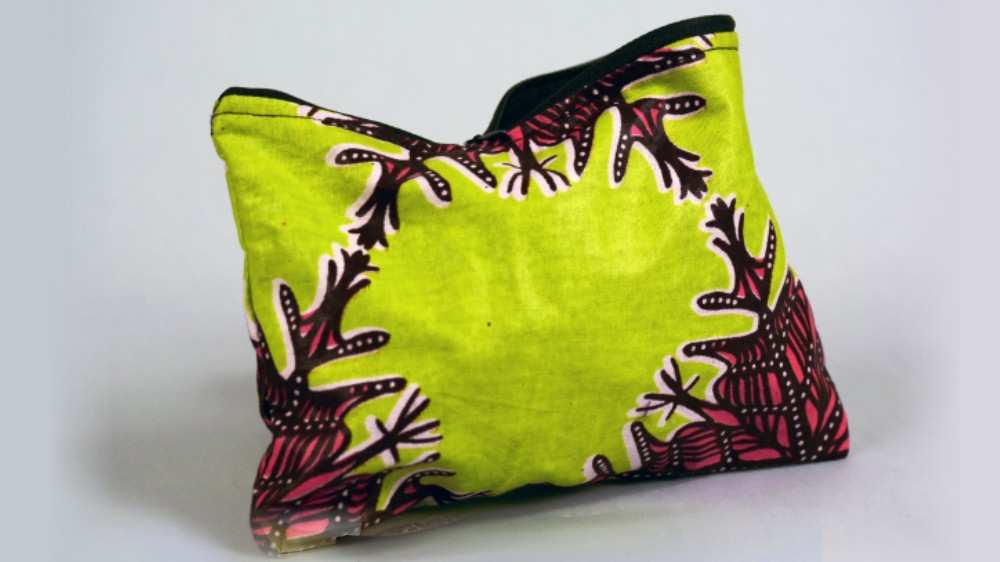
    Pouch Case

    Pouch case from Goma, D. R. Congo
    PRICE: € 16
  • Congo Shopping Bag

    Heart Bag

    Intuitive heart shopping bag, from Goma, D. R. Congo
    PRICE: € 16
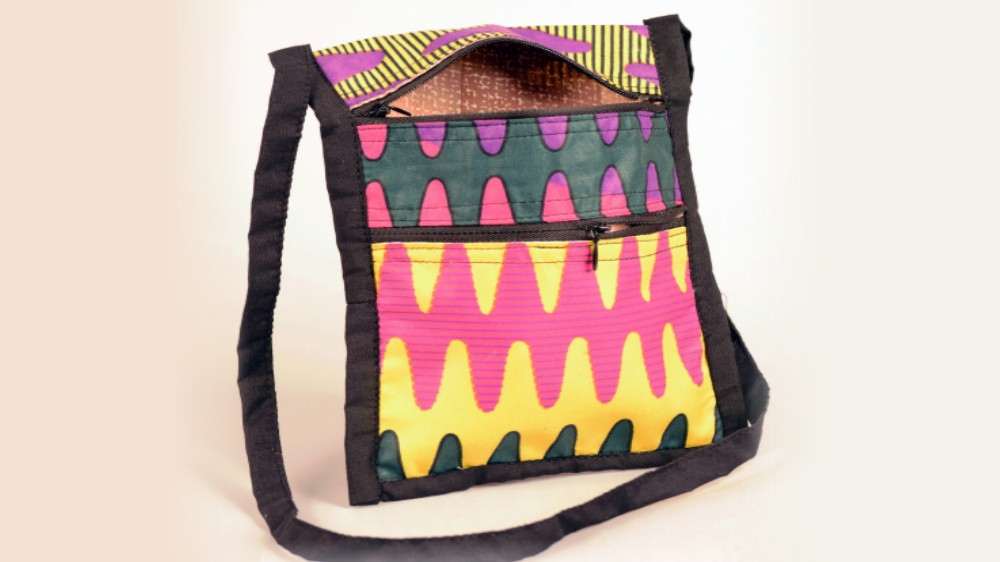
  • Congo Shopping Bag

    Wallet Case

    Colorful Wallet Case from Goma, D. R. Congo
    PRICE: € 10
  • Congo Shopping Bag

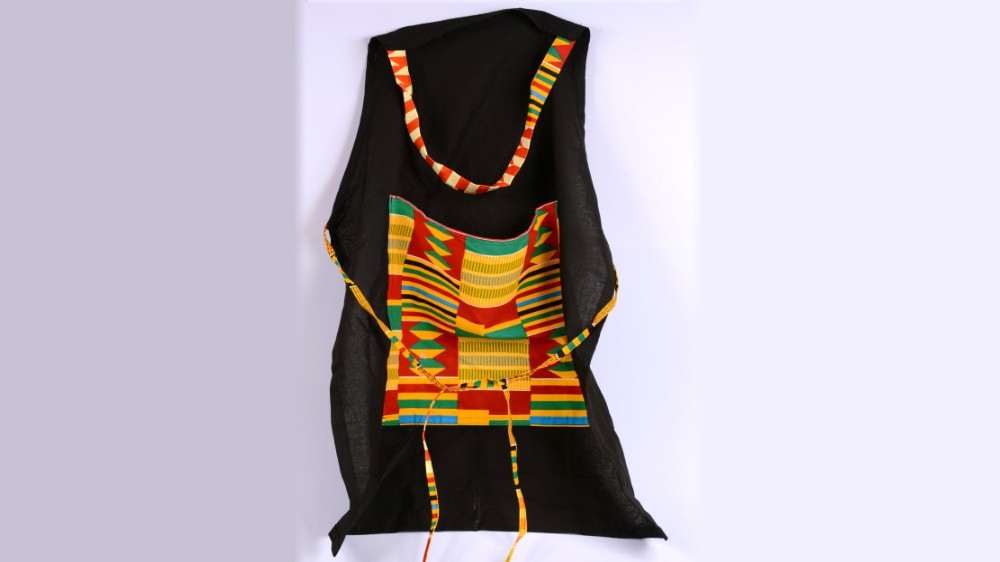
    Apron

    Handy Apron from Goma, D. R. Congo
    PRICE: € 20
  • Congo Shopping Bag

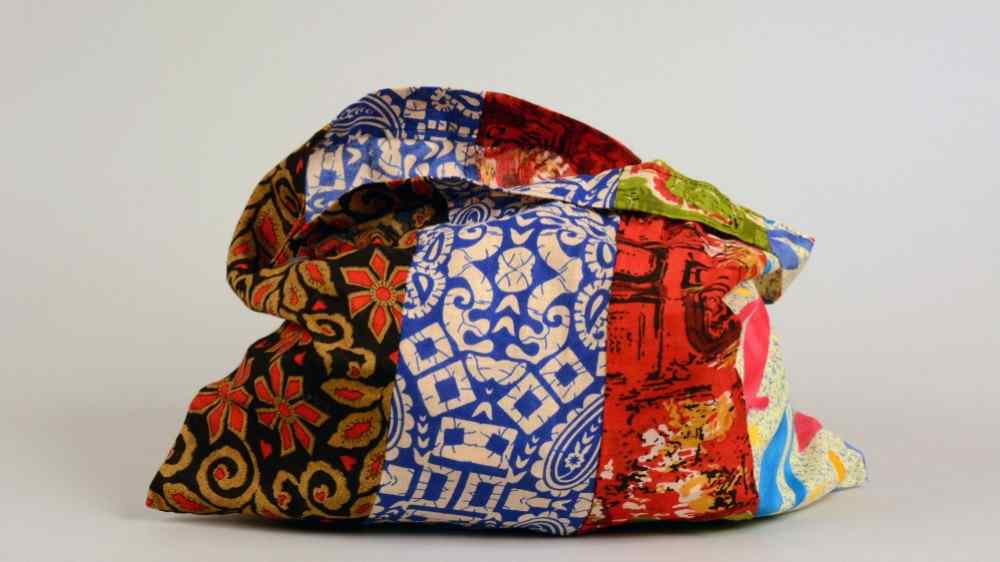
    Small Shopping Bag

    Colorful shopping bag from Bangladesh
    PRICE: € 10
  • Congo Shopping Bag

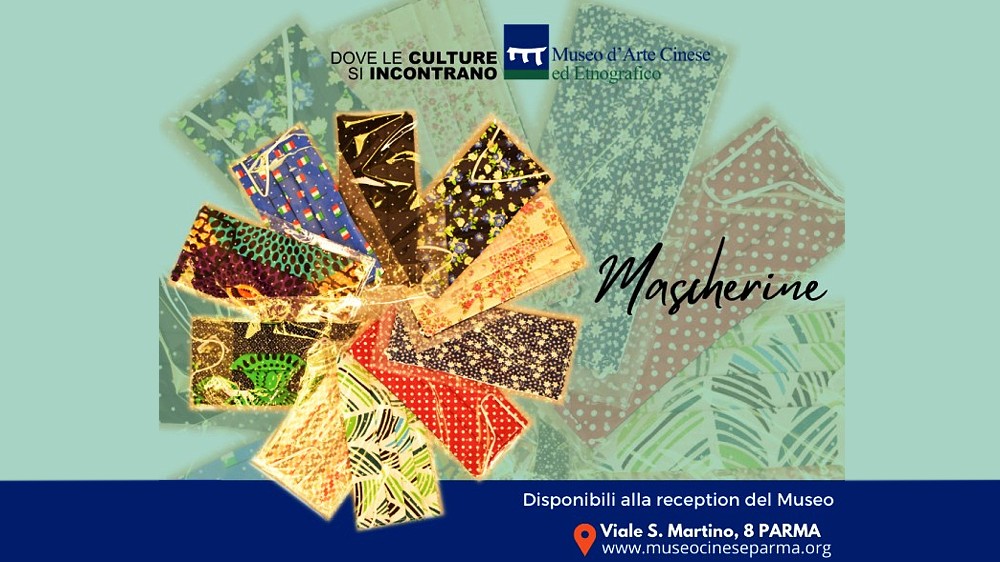
    Handmade Masks

    Handmade crafted Masks to support our Museum
    PRICE: € 6
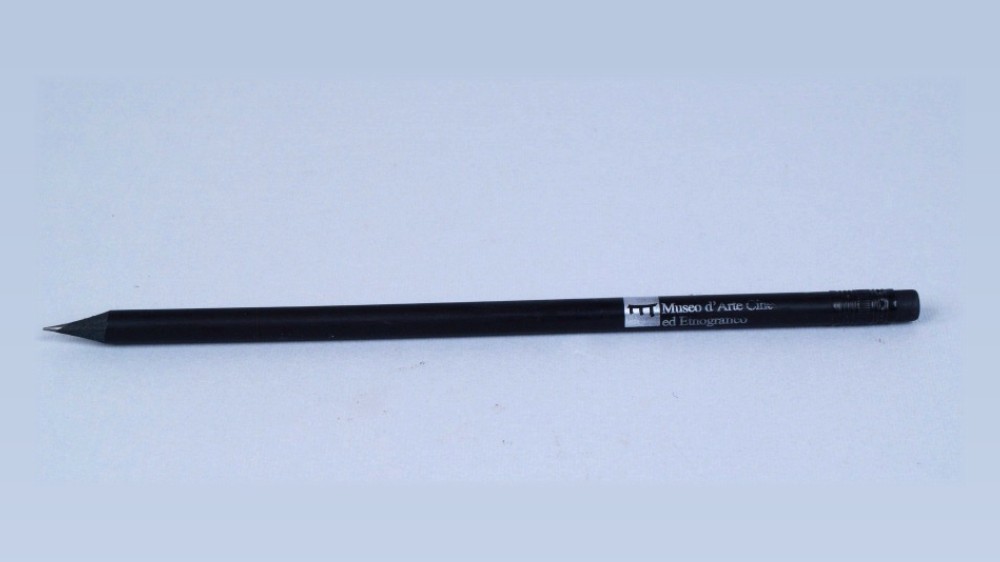
  • Matita con gomma e anima nera

    Black Pencil

    Black Pencil with Eraser
    PRICE: € 1
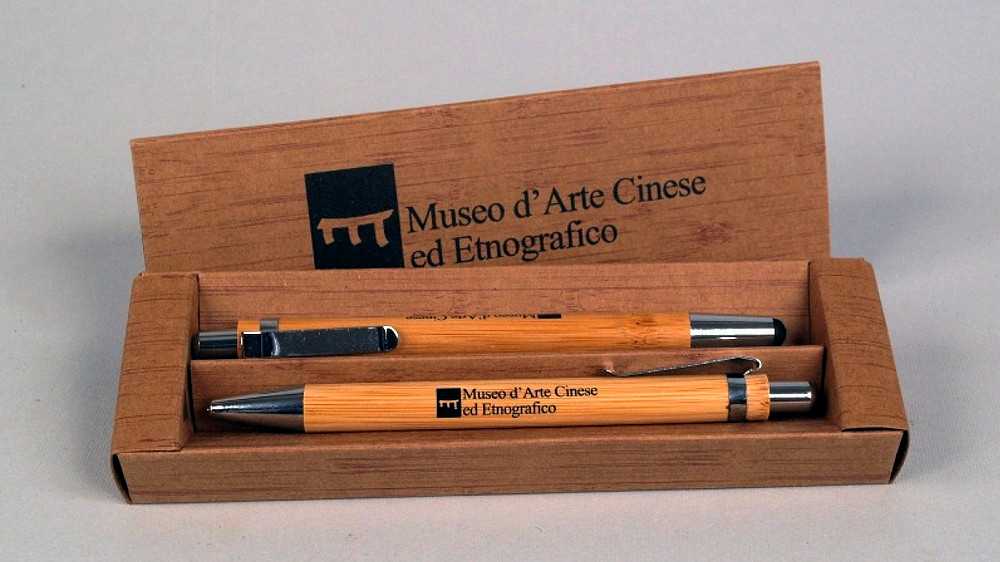
  • Set bambooin scatola di cartone con penna a scatto con inchiostro blu, matita a mine

    Bamboo Set

    Bamboo set in a cardboard box with a blue ink pen and pencil
    PRICE: € 8
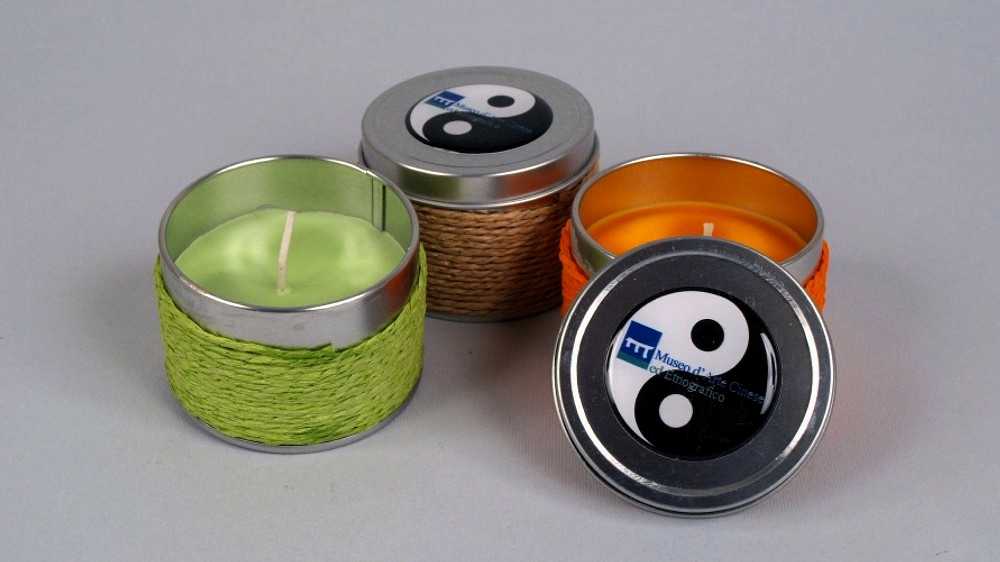
  • Candela Profumata al Museo d'Arte Cinese

    Scented Candle

    Scented candle in tin box, with three fragrances: cinnamon, orange and green apple
    PRICE: € 4 @
    Special Offer: €10 for all 3
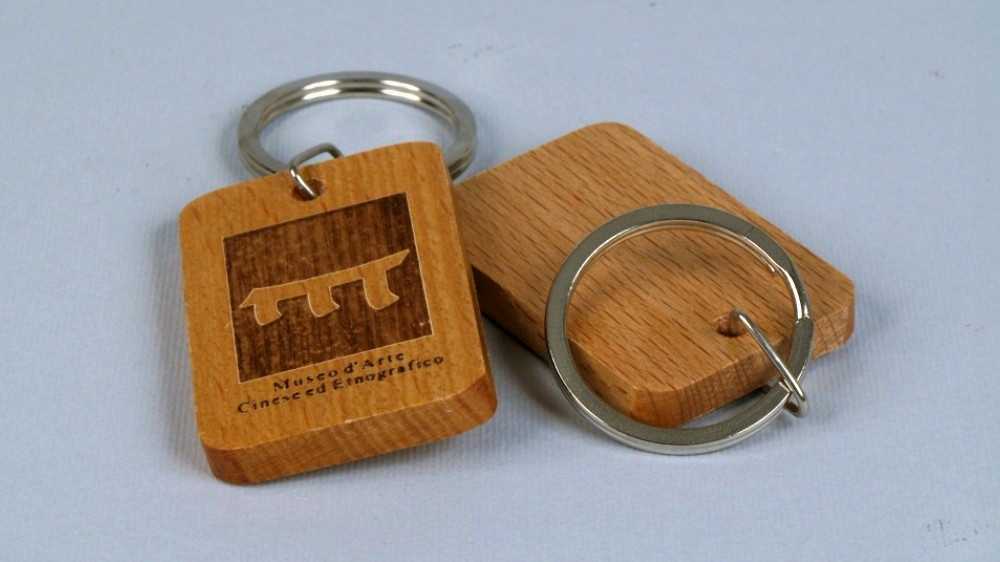
  • Portachiavi in Legno al museo cinese

    Wooden Keychain

    Wooden Keychain with Logo
    PRICE: € 3
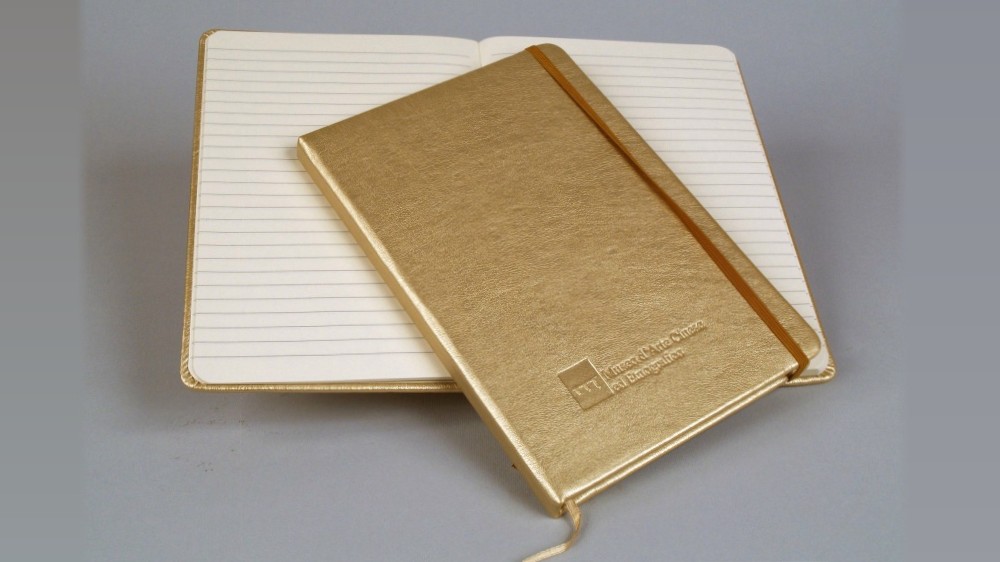
  • Notebook museum of chinese art

    Notebook

    Notebook A5 with soft cover, matching elastic, and 96 lined pages
    PRICE: € 8
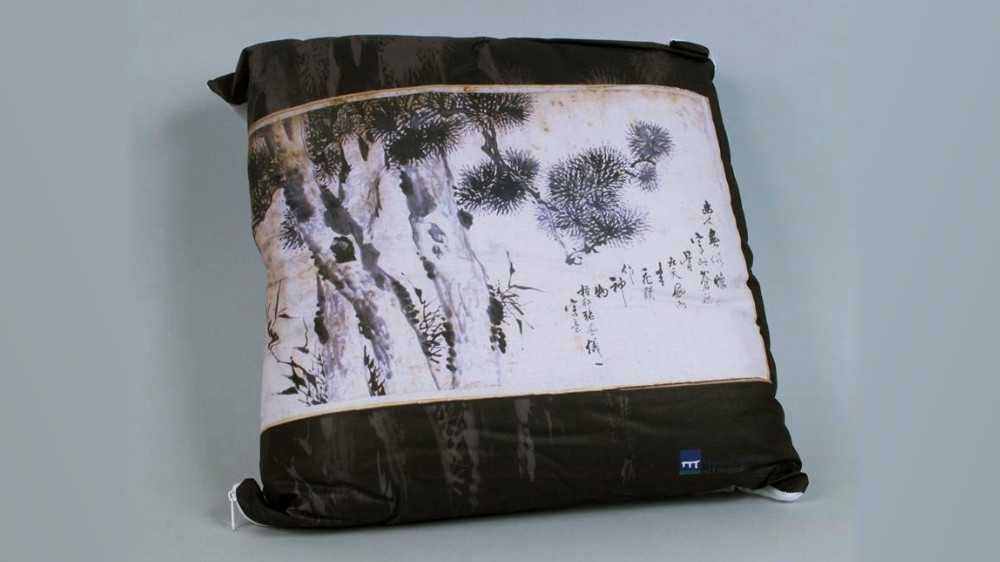
  • Cuscino Arredo

    Furniture Cushion

    Cushion with digital printing in 100% pure cotton, with depictions of 6 works of art of the museum
    PRICE: € 20
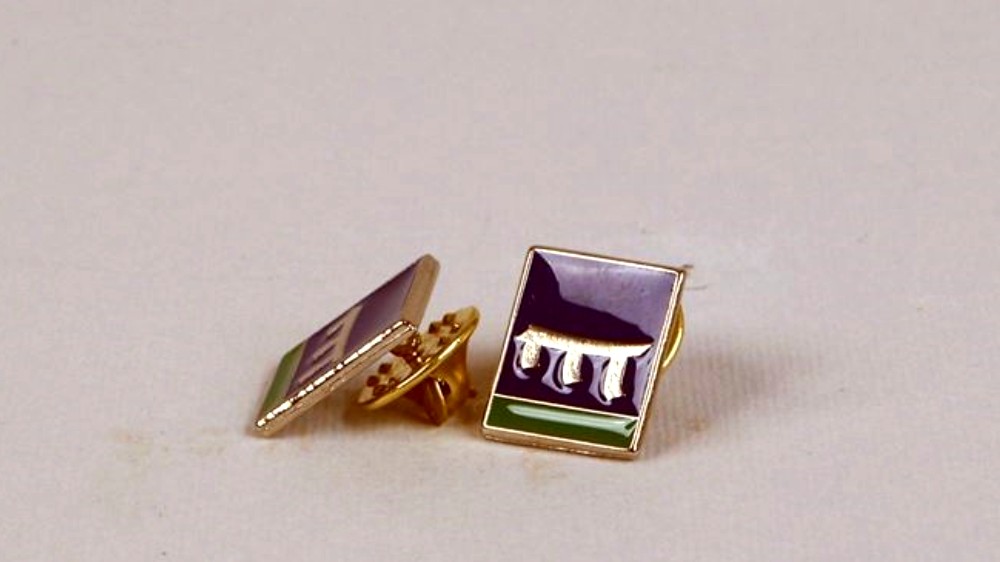
  • Spilla Smaltata con logo del museo d'arte Cinese ed etnografico

    Museum Pin

    Glazed pin with logo of the Museum
    PRICE: € 4
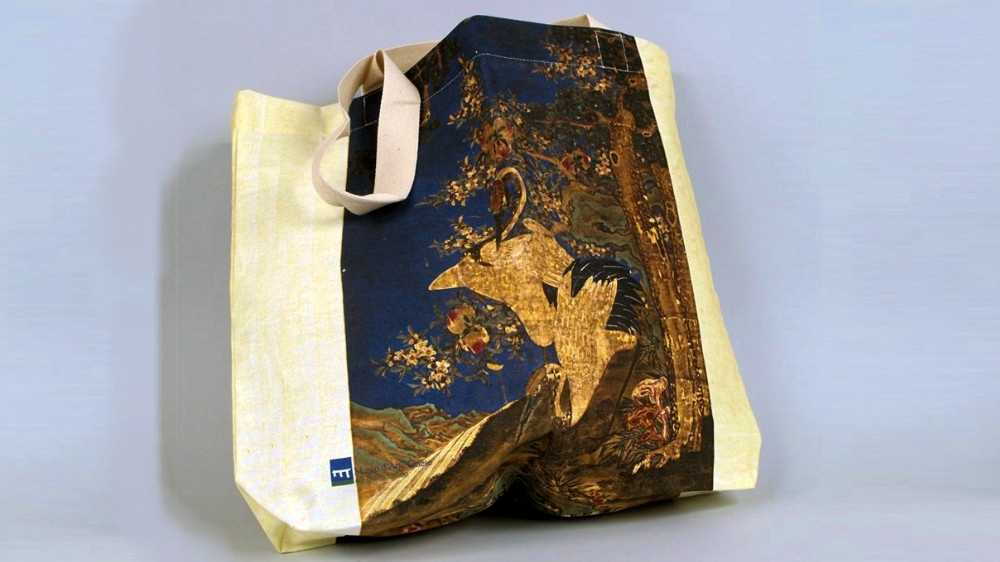
  • Shopping Bag of the museum

    Shopping Bag

    Durable bag in 100% panama cotton with digital prints depicting 6 artworks of the museum. Dimensions 42 x 47 cm
    PRICE: € 25
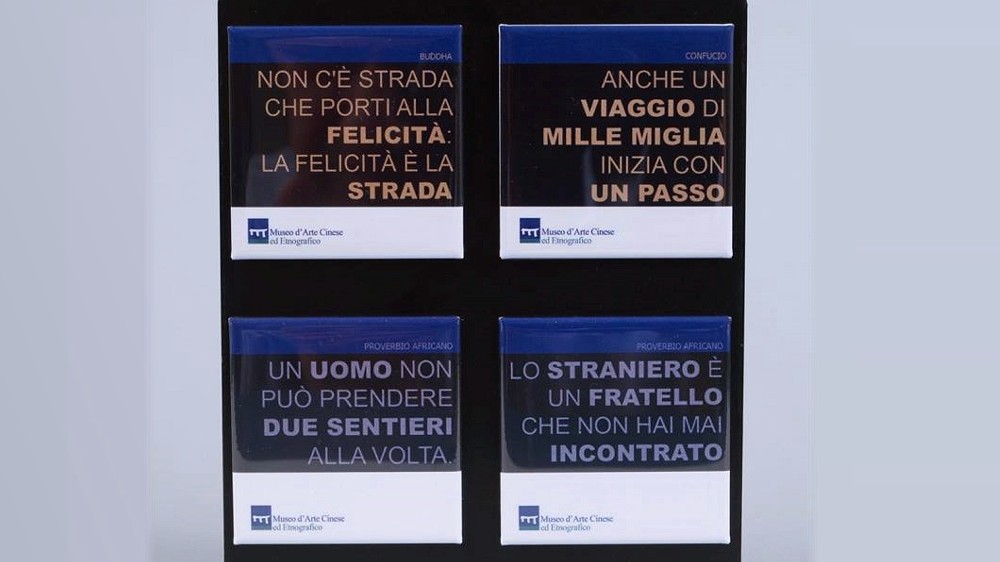
  • Calamita Magnete

    Magnets

    Color Magnets with 4 proverbs
    PRICE: € 3
    Best Offer: € 10 for all 4
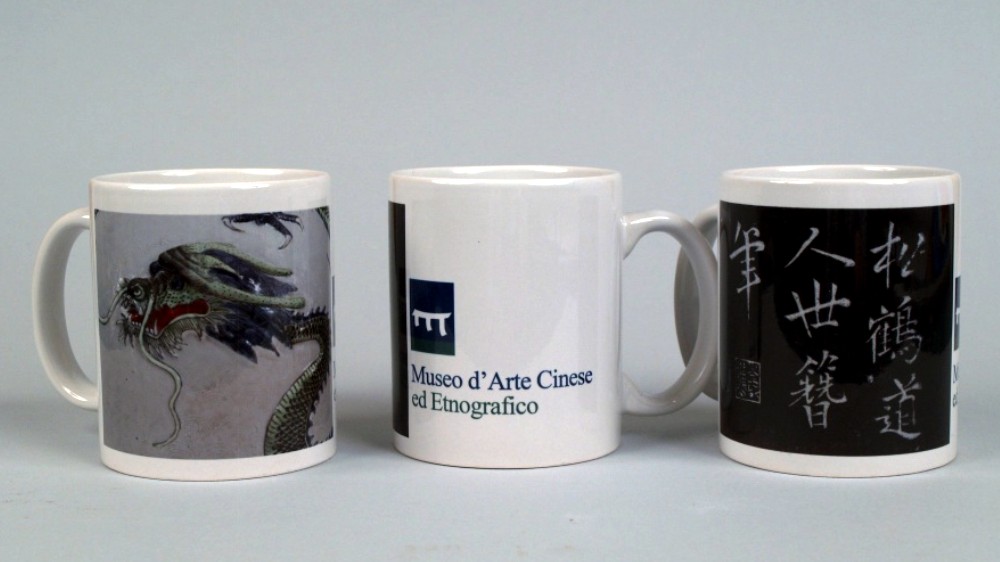
  • Tazza in ceramica da 300 ml

    Ceramic Mug

    Ceramic Mug with decorations: Dragon and Taoist writing
    PRICE: € 9
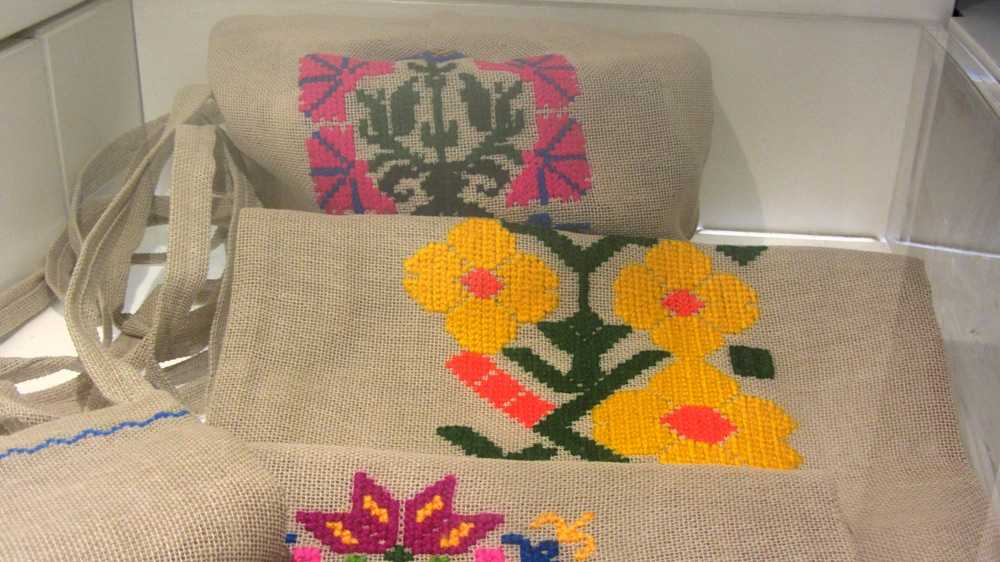
  • Borsa del Messico in Juta

    Jute Bag

    Bag with various decorations made by women of Mexico
    PRICE: € 5
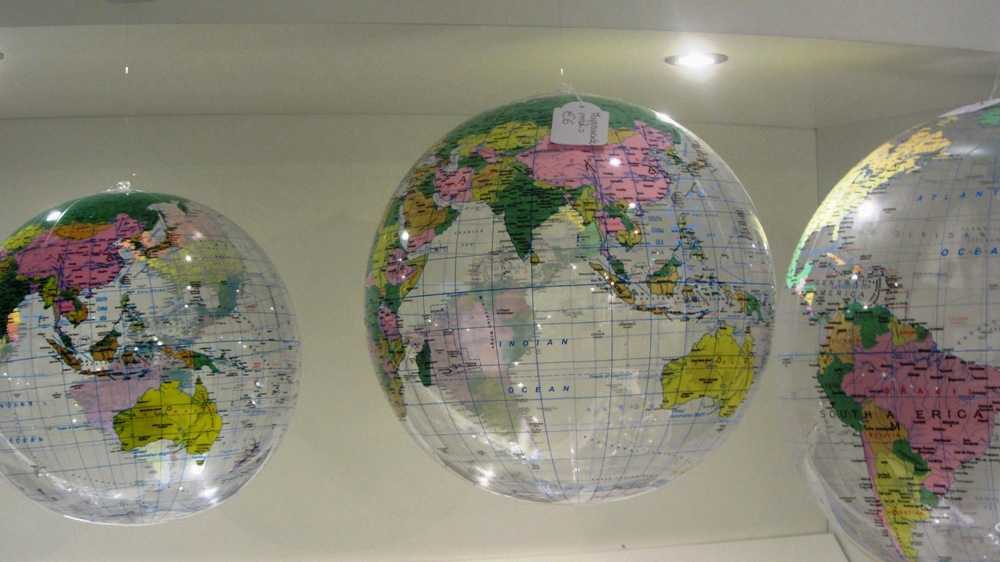
  • Pallone Mappamondo

    Globe Balloon

    Globe Balloon
    PRICE: € 4 small (9 inches)
    € 6 medium (12 inches)
    € 10 big (16 inches)
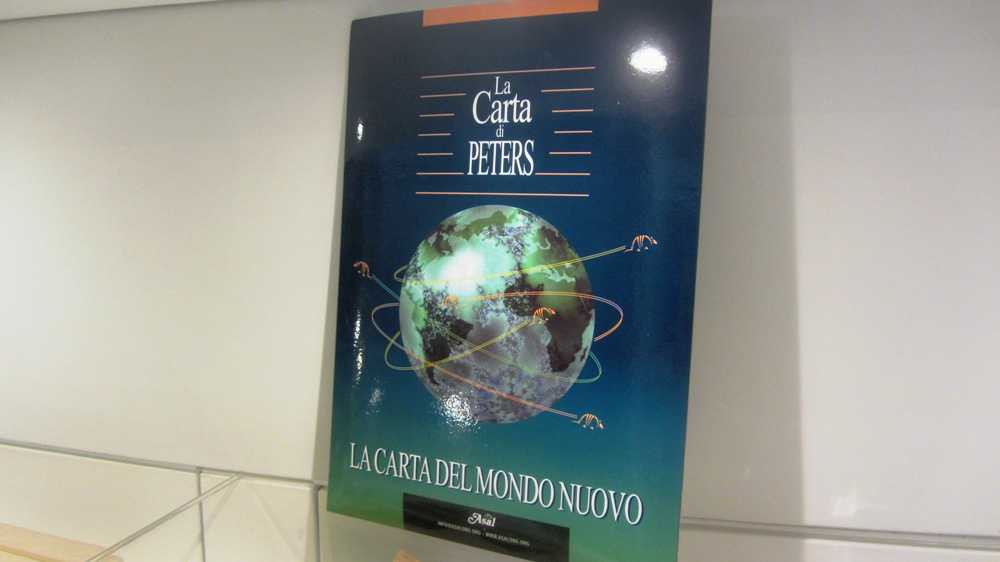
  • La Carta di Peters

    Peters Map

    Peters World Map: the Map of the New World
    PRICE: € 12

Shopping Bag

Durable bag in 100% panama cotton with digital prints depicting 6 artworks of the museum. Dimensions 42 x 47 cm
PRICE: € 25

Furniture Cushion

Cushion with digital printing in 100% pure cotton, with depictions of 6 works of art of the museum
PRICE: € 20

Acquisti e Ordini

Contributi per i libri e quaderni vengono versati sul conto intestato a:

Fondazione Culturale Saveriana
Partita IVA: 02907930347

Emil Banca Credito Cooperativo
Via Tanara 45 - 43121 Parma (PR)
Iban: IT42Q0707212703000000418853

Read More

Sponsor EN

Sponsors

Associations and Companies

Sponsors

The Museo d'Arte Cinese ed Etnografico (Museum of Chinese Art and Ethnography) of Parma, Italy, thanks the many associations anc companies that have sustained the museum through the years, and especially, the companies involved in the restructuring phase of the museum

Restoration

For the work of restoration of objects, the museum thanks the following institutions and foundations for their financial support:

Contacts

Viale San Martino, 843123 Parma, PR Tel. +39 0521 257.337 Fax: 0521 960.603

Email: This email address is being protected from spambots. You need JavaScript enabled to view it.

This email address is being protected from spambots. You need JavaScript enabled to view it.

Chiara This email address is being protected from spambots. You need JavaScript enabled to view it.

Read More

Chi siamo EN

About Us

Discover the cultures of the world with appreciation

Welcome to the Museum of Chinese Art and Ethnography

  • Entrance area and reception at the Museum of Chinese Art and Ethnography

    Entrance Area

    As visitors enter, they see on display four large Chinese paintings of religious inspiration, followed by a series of 26 illustrated double-sided tiles with photos from the world. This is the privileged area for temporary Exhibits.

  • The people Kayapò area

    Kayapò Area

    The Kayapò is a small group of Indios of the Brazilian Amazon region, who represent other minorities, custodians of traditional values and living. This colorful exhibit conveys the values that sustain their universe: body painting, the myths of origins, the consciousness of community and dignity, their idea of being people strong and beautiful.

  • Exhibit of Traditional African art

    Africa Area

    We give just a small taste of African objects which come from areas (D.R.Congo, Sierra Leone, Cameroon, Chad) where the Xaverians have been working for decades. There will be other opportunities that will highlight these objects of traditional African art.

  • The ramp with the multi-vision area on China

    Multi-Vision Area

    The descent of the ramp is accompanied by images that shows ancient and current China, its arts, landscapes and people of past and present, arts, landscapes and the past and present people of this great nation. There are bi-lingual didactic panels as well as touch-screen monitors with lots of information, typical of every museum.

  • Section with the Historical Cabinets and Chinese Ceramics

    China Area

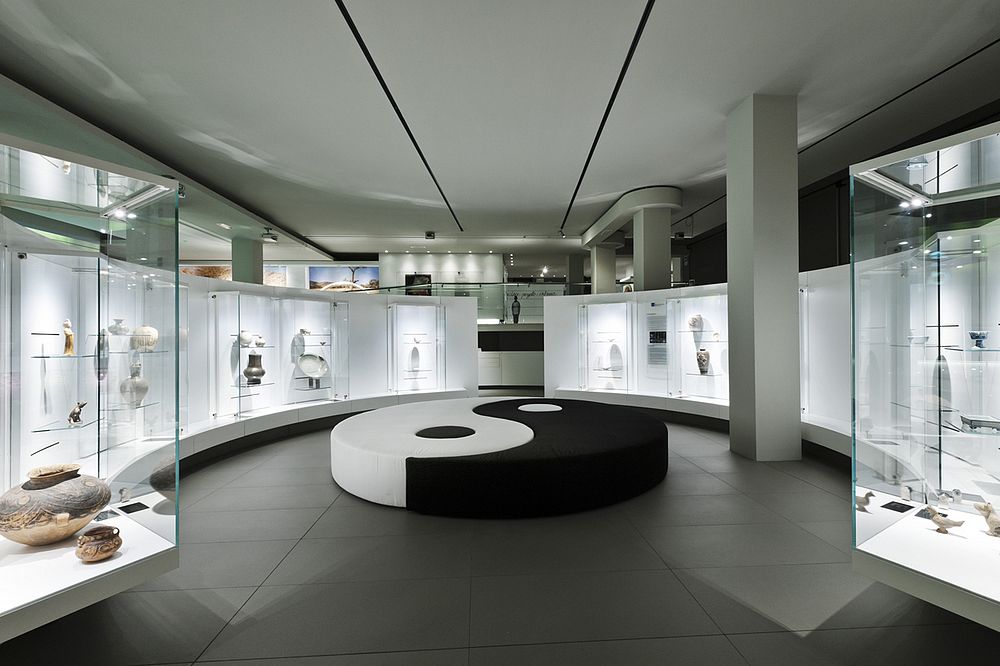
    Standing by the large amphitheater, the visitor can admire the collection of pottery and porcelain from China, accompanied by an harmonious huge circular taiji – the symbols of yin and yang, the grandiose 12-panel Chinese folding-screen, the “Historical Cabinets”, the scholar study, the exhibit of Chinese religious statuary, the paintings and the rich coin Chinese collection.

The amphitheater of Chinese Ceramics

A Century-old Story

The Museum of Chinese Art and Ethnography of Parma began in 1901, as the wish of the founder of the Xaverian Missionaries Guido M. Conforti. At the conclusion of the Universal Exhibit of Turin (1898), Senator Fedele Lampertico donated some valuable pieces to Bishop Conforti, Bishop of Parma and founder of the Xaverian Institute.

The museum represents an artistic and documented container of exceptional importance, fruit of a long and winding journey. For a few decades, the Xaverians worked exclusively on Chinese territory; Conforti appeal to them: "As you come into the various territories of your missions, please send to the Mother house some cultural elements of ethnology and art."

The last input of objects from China through the missionaries arrived in Parma in 1947; soon after, the Xaverian mission presence in China ended.

To that first collection of objects of art and ethnography from China, other pieces were added from the 60s on, of predominantly ethnographic interest, from the other regions of the world (Asia, Africa, Americas) were the Xaverians are present: Japan, Indonesia, Brazil, Mexico, Africa, etc. Thus enriching the museum of cultural aspect which witness the life in those continents.

Mission of the Museum

Mission of the Museum

With its inauguration on Dec. 1st 2012, the Museum of Chinese Art and Ethnography of the Xaverian Missionaries in Parma has undergone a radical renovation. It's a cultural investment with a specific target: visitors and schools of every kind and degree.

Our museum is not monothematic, and not even a sterile relic of the past; rather, we want to show the vitality, reality and life of the cultures represented in our museum. And the work of the Xaverian missionaries is still alive and more universal than ever: China is mysterious and gentle, the Kayapó are still "strong and beautiful" and Africa is still appealing and fascinating.

The museum suggests to journey into the Harmony of Art, and the theme of “circle-harmony”, presenting objects from various cultures, shows its beauty; infact, the circle, shows harmony across all cultures.

By highlighting the artistic value of the objects, in particular those from China, the museum wants to celebrate the meeting of cultures. Our journey like a continuum walkway, better yet, almost a placid river that accompanies the visitor... through a sense of unity and harmony, in which all the materials retain a sense of dignity and values.

Key-Figures
of the Museum


The creation of a museum highlights the willingness to be open to the knowledge of the cultures of the peoples we approach.
San Guido Maria Conforti, fondatore dei Missionari Saveriani
Guido M. Conforti

1898 - In the first rules for his future missionaries, Conforti writes: "As you come into the various territories of your missions, please send to the Mother house some cultural elements of ethnology and art." This is the first mention of the founding of a museum. Together with the founding of the Xaverian missionaries (1895) and their mission to China (1898), it forms "the Daring Project" dreamed by Guido M. Conforti.
Vaso in ceramica donato dal sen. Fedele Lampertico

Sen. Fedele Lampertico

1900 -The idea of a museum began to take shape with the donation by Senator Fedele Lampertico of some Chinese objects from the Universal Exhibition of Turin (1898). According to the Xaverian tradition, Conforti "fell in love" with this Ming blue-white Vase. Conforti kept some Chinese donated ceramics to adorn the Mother House, which became the first fruits of his cherished museum.

Odoardo Manini al suo rientro dalla Cina

Odoardo Manini

1902 - Edoardo Manini comes back from China, following the unexpected death of his companion Fr. Caio Rastelli. They were the first two Xaverians sent to China by Conforti two years earlier. Manini brought back many objects which began a permanent exhibit in a room on the first floor of the Mother House.


Primo numero della rivista
Magazine "Fede e Civiltà"

1903 - Founding of the official periodical of the Institute, that combined in its title "Faith and Civilization" (Fede e Civiltà - 1903), both sides - religious and cultural - of the initial project of Conforti. The contents of this journal conveyed the deep knowledge of its customs and traditions, its culture and society, its philosophy and religion, unknown to most.
Padre Giovanni Bonardi, in abito cinese
P. Giovanni Bonardi

1911-1936 - In March 1911 Fr. Giovanni Bonardi returns from China to Parma, and the museum is enriched with lots of objects: bronzes, porcelains, paintings, coins and so on. A new space was expanded and opened to display the new Chinese material, and this configuration given by both Conforti and Bonardi lasted until 1936, and remained under the competent responsibility of the same Fr. Bonardi.
P. Giuseppe Toscano, autore del catalogo

P. Giuseppe Toscano

1959-1965 - Following the War and the work of expansion of the Motherhouse, the museum received a decisive input from the trained eye and direction of Fr. Giuseppe Toscano, especially in the years 1963-1965, when more than a hundred historical and valuable pieces enriched the museum.
Fr. Toscano was able to gather and study the objects, and publish the first edition of his voluminous catalog "Chinese Art Museum of Parma" (1965), which saw a second edition with the title "Chinese Art and Culture" (1984).

Il museo sistemato nel salone seminterrato della Casa Madre a Parma (1998-2010)

P. Emilio Iurman

2001-2013 - Fr. Emilio Iurman becomes director of the museum in 2001. Due to new construction for the accessibility of the Mother House, the museum is gathered in the great hall of the basement. Fr. Iurman starts and completes a work of digital database and cataloging of all objects in the museum, including its rich numismatic collection.
In October 2010, work begins on a comprehensive restructuring of the museum, which ends with the inauguration of the new museum space on Dec. 1st 2012.

Read More

Home EN

Museum of Chinese Art and Ethnography

Xaverian Missionaries - Parma

Museum Facebook


Video: A journey through art and history at our Museum

Newsletter Museo Arte Cinese Parma

Newsletter

Do you want to be informed about the events of our Museum through our newsletter? Send us an email, and we'll be in touch.

Tips and Advice

Tips and Advise

Educational Workshops

The Collection

Opening Hours

APERTO / OPEN :
Tuesday to Saturday:
9am-1pm | 3pm-7pm
Sunday:      3pm-7pm

CHIUSO / CLOSED :
Mondays and Italy's National Holidays


For Guided Tours and Workshops, call +39 0521-257.337, This email address is being protected from spambots. You need JavaScript enabled to view it.

Hours & Visits

Our Story

The Museum preserves the commitment of the Xaverian Institute in the field of culture and the enhancement of the great religious and cultural traditions in favor of Mother Earth and the global community. It is a museum with a strong international identity, for the value of its works of art, and the modern architectural solutions and exhibits

Our Story

Team Building opportunities Museo Arte Cinese Parma

Team Building


Offer your team a creative sharing experience, dedicated to discovering the Museum's collection and with team-building workshops, in contact with your team's creative art.


  • Educational Workshops

    Workshops for students

    Read More

  • Download App “MuseOn”

    On your smartphone

    Read More

  • Meeting Place

    A place open to the world and the meeting of cultures

    Read More

  • Teaching Resources

    Resources for class visits at the Museum

    Read More

Gift Shop and Publications

  • Chinese Ceramics, Ye Zhemin

    Chinese Ceramics

    Ye Zhemin

    ENGLISH. PAGES 146. PRICE: € 12

  • Amuleti della collezione del Museo d'Arte Cinese ed Etnografico di Parma, Iurman Emilio

    Amuleti della collezione del Museo

    Iurman Emilio

    IN ITALIAN. PAGES 64. PRICE: € 15

  • Kayapò: Il popolo che venne dall'acqua

    Trevisan Renato - Iurman Emilio

    IN ITALIAN. PAGES 120. PRICE: € 12

  • Fonti del Sacro nell'Arte Africana, Clementine M. Faik-Nzuji

    Le Fonti del Sacro nell'Arte Africana

    Clementine M. Faik-Nzuji

    IN ITALIAN. PAGES 70. PRICE: € 15


  • Shopping bag with logo of the museo d'arte Cinese ed etnografico

    Museum Bag

  • Set bambooin scatola di cartone con penna a scatto con inchiostro blu, matita a mine

    Bamboo Set

  • Candela Profumata al Museo d'Arte Cinese

    Scented Candle

  • Cuscino Arredo

    Cushion

  • Tazza in ceramica da 300 ml

    Ceramic Mug

  • Portachiavi in Legno al museo cinese

    Large Shopping Bag

Quaderno Notebook

Masks

Read More

Orari visite EN

Hours & Visits

Discover the Art in Cultures ...visit our Museum!

Museum Opening Hours

Share


  • September 2026

    September 2026
    Sun Mon Tue Wed Thu Fri Sat
    . . 1 2 3 4 5
    6 7 8 9 10 11 12
    13 14 15 16 17 18 19
    20 21 22 23 24 25 26
    27 28 29 30 . . .
    Museum Closed
    Museum Open
  • October 2026

    October 2026
    Sun Mon Tue Wed Thu Fri Sat
    1 2 3
    4 5 6 7 8 9 10
    11 12 13 14 15 16 17
    18 19 20 21 22 23 24
    25 26 27 28 29 30 31
    Museum Closed
    Museum Open
    Oct. 4th: Museum Closed - St. Francis of Assisi, National Feast
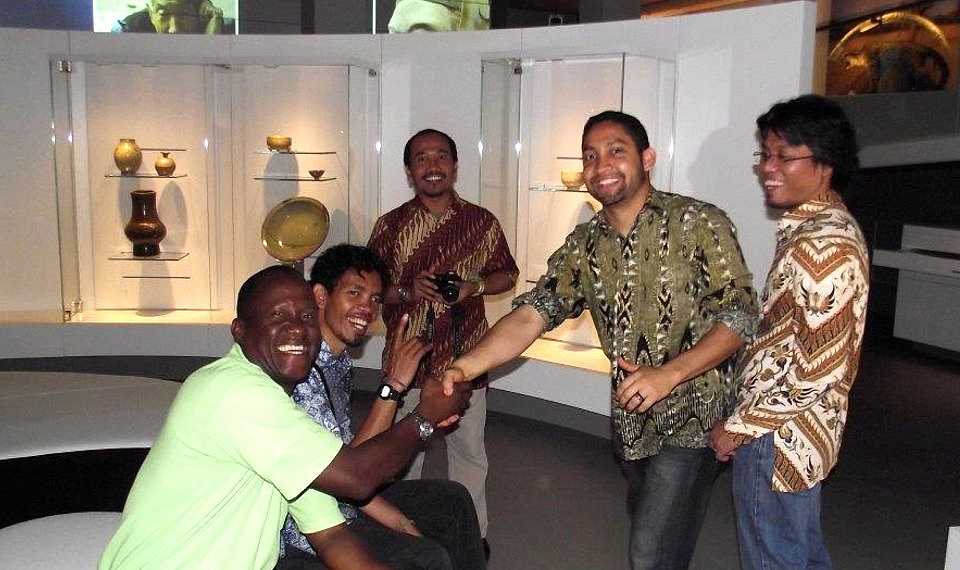
  • Photos and memories at the Museo d'Arte Cinese, Parma

    November 2026

    November 2026
    Sun Mon Tue Wed Thu Fri Sat
    1 2 3 4 5 6 7
    8 9 10 11 12 13 14
    15 16 17 18 19 20 21
    22 23 24 25 26 27 28
    29 30
    Museum Closed
    Museum Open
    Nov. 1st: Museum Closed - Feast of All Saints.
    Nov. 5th: Feast of Saint Guido M. Conforti, founder of the Xaverian Missionaries. Please call 0521-257.337

OPEN :
Tuesday - Saturday : 9am-1pm / 3pm-7pm
Sunday :                     3pm-7pm

CLOSED :
Monday and Italian National Feasts

For Guided Tours and Workshops, please call 0521-257.337,
write to This email address is being protected from spambots. You need JavaScript enabled to view it..

  • Visiting Hours


    Check Times

    Hours: Tuesday-Saturday,
    from 9:00am to 1:00pm, and 3:00pm to 7:00pm
    and Sunday,
    from 3:00pm to 7:00pm
    Closed:
    Monday and Italian National Feasts

  • Group Visits


    Group visits, with reservation, during museum visiting hours, until 6:00pm
    We would appreciate a phone call, at tel. 0521-257.337

  • Cost


    Admission:

    Regular / Standard : € 5,00
    Reduced / Under 18 :  € 2,00

  • Guided Tours

    Your visit will be guided. The museum space is designed for groups of about 20 people (or less), so as to help appreciate and see the exhibits.
    The same opening hours of the Museum, Tuesday-Saturday, are reserved for these group visits, with prior arrangements.

    Guided School Fee: € 3.00 per student.
    Guided Tour Under-18 Fee: € 4.00 per person.
    Guided Tour Adult Fee: €7.00 per person.
  • Photographs

    Some standard and digital photographs are allowed, but without the use of flash.

    For distribution and publication of images in any media, including websites and social networks, please contact the staff.
  • Accessibility

    Architectural barriers are not present.

    Our museum has accessible space for wheel chairs, as well as didactic panels and exhibits.
  • Parking

    Ample parking space is available for cars and busses within the confines of the Motherhouse of the Xaverian missionaries.
  • Games and snacks

    There are outdoor and indoor spaces for picnics and snacks
  • Appraisals

    The Museum does not perform appraisals and consulting.

44.7886,10.3274

Museo d'Arte Cinese ed Etnografico, Parma- Museo d'Arte Cinese ed Etnografico

Viale S. Martino, 8
43123 Parma, PR
Tel. 0521-257337
www.museocineseparma.org
  • Bus Directions

    From Parma Train Station, use the bus line #12 or #2, direction Farini Barrier, and get off at the 3rd stop of Via Solferino. Or, use the bus line #13, viale Rustici.
    From Parma downtown (Duomo, Baptistery, piazzale Pillotta) use bus lines #2 or #12 in the same direction.

  • Contact - Information

    Museo d'Arte Cinese ed Etnografico
    Viale S. Martino, 8
    43123 Parma, PR
    Tel. 0521-257.337
    This email address is being protected from spambots. You need JavaScript enabled to view it.

Read More

Scuola EN

Schools & Teaching Resources

A museum is a resource, a well of information, a treasure chest of old and new things

Mondidattica logo, museum of Chinese Art and Ethnography
MonDIdattica Logo
Schools at the Museum of Chinese Art and Ethnography

Resources and Teaching Tools

A museum is a resource, a well of information, a treasure chest of old and new things.

In this section we present some interesting articles and studies on various art objects on display in our museum. The context, the history and meaning of the "piece", help us better understand the culture and the people that have created them.

See a brief history of the dynasties of China, and its impact on art, paintings, bronze objects, and ceramics on display in the museum.
  • Guided School Tours

    Your visit will be guided. The museum space is designed for groups of about 20 people (or less), so as to help appreciate and see the exhibits.
    The same opening hours of the Museum, Tuesday-Saturday, are reserved for these group visits, with prior arrangements.
    Fee: € 3.00 per student.

  • Bus Directions

    From Parma Train Station, use the bus line #12 or #2, direction Farini Barrier, and get off at the 3rd stop of Via Solferino. Or use bus line #13, viale Rustici.
    From Parma downtown (Duomo, Baptistery, piazza Pillotta) use bus lines #12 or #2 in the same direction.

  • Contact Information

    Museo d’Arte Cinese ed Etnografico
    Viale S. Martino, 8
    43123 Parma, PR
    Tel. 0521-257.337
    This email address is being protected from spambots. You need JavaScript enabled to view it.

Read More